
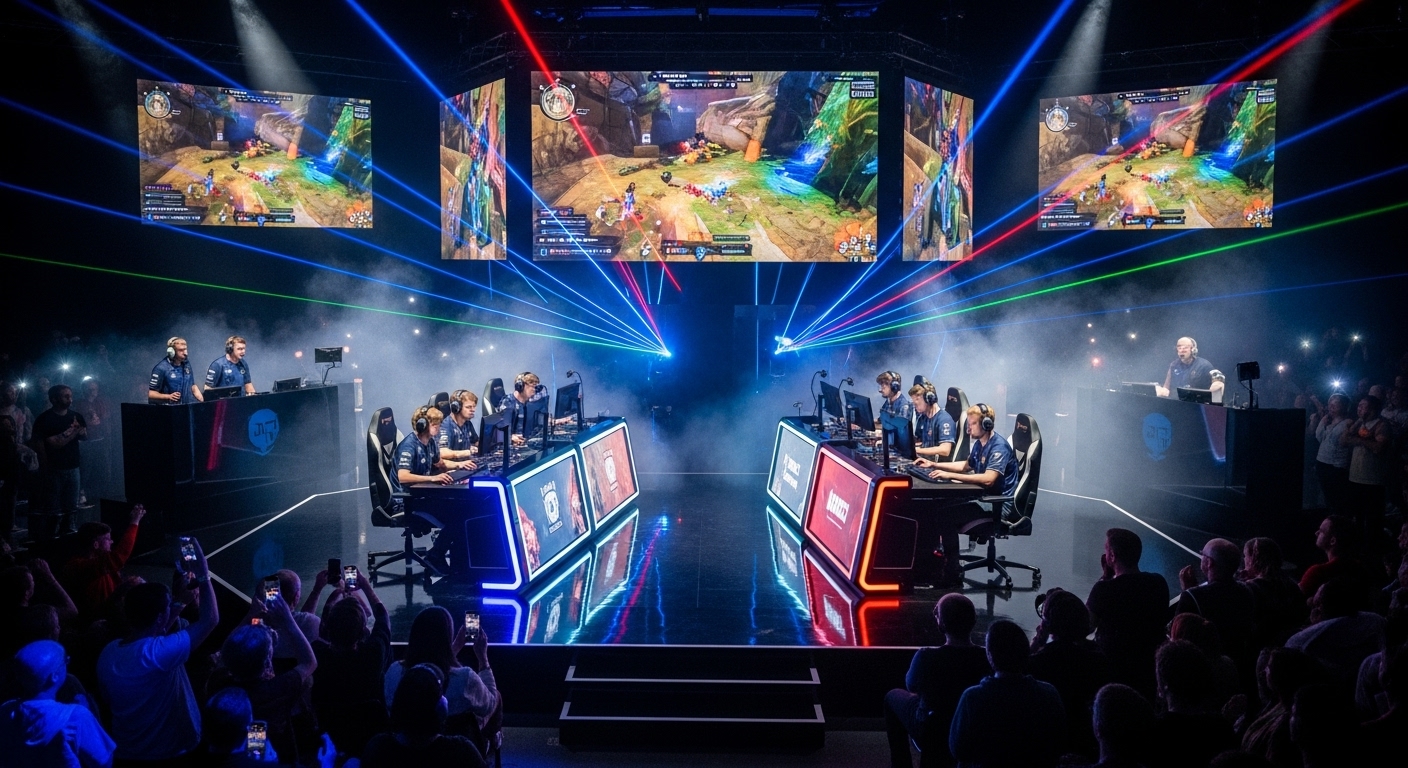
The world of gaming has undergone a remarkable transformation over the past two decades. What was once viewed as a niche hobby has evolved into a global phenomenon known as esports. Today, esports stands shoulder to shoulder with traditional sports, drawing millions of viewers, producing professional athletes, and creating multi-million-dollar industries. From competitive tournaments to streaming platforms and brand sponsorships, esports has redefined what it means to be an athlete in the digital age. This blog explores the rise of esports, its cultural and economic impact, and its potential to shape the future of entertainment and competition.
The Origins of Esports: From Arcades to Global Stages
Esports, short for electronic sports, refers to organized, competitive video gaming where players or teams compete against each other in various games. While esports may seem like a modern concept, its roots trace back to the late 20th century. In the early 1980s, arcade competitions like Space Invaders and Pac-Man set the stage for competitive gaming. These events were modest compared to today’s massive tournaments, but they marked the beginning of gaming as a spectator sport.
The real turning point came in the 1990s with the rise of multiplayer PC and console gaming. Titles like StarCraft, Quake, and Counter-Strike attracted passionate communities of players who began organizing small-scale tournaments. As internet connectivity improved, online gaming flourished, and competitive play became more accessible to players around the world. By the early 2000s, esports had evolved from local LAN parties into international competitions, setting the foundation for the billion-dollar industry we see today.
The Growth of Competitive Gaming
The 2010s marked the golden age of esports. Games like League of Legends, Dota 2, and Counter-Strike: Global Offensive became cornerstones of competitive gaming. These titles introduced structured leagues, global tournaments, and enormous prize pools, attracting players and fans from every continent. The League of Legends World Championship, for instance, drew millions of viewers online, rivaling major sporting events in terms of audience size.
Part of what makes esports unique is its accessibility. Anyone with a computer, console, or mobile device can compete or spectate. This inclusivity has fueled its rapid growth, creating a new kind of sporting ecosystem that transcends geography and physical boundaries. Streaming platforms have also played a crucial role in this expansion, allowing fans to watch live matches, interact with players, and follow their favorite teams from anywhere in the world.
The success of competitive gaming has also been driven by the rise of gaming culture itself. Once dismissed as mere entertainment, video games have gained recognition as a legitimate form of competition and art. The skill, strategy, and teamwork required to succeed in esports rival those found in traditional sports, and the physical and mental demands placed on professional players are equally intense.
The Professional Esports Athlete: Skill, Dedication, and Discipline
Becoming a professional esports player is no easy feat. It requires years of practice, exceptional reflexes, and a deep understanding of game mechanics. Much like traditional athletes, professional gamers follow strict training schedules, often practicing for 8 to 12 hours a day. They work closely with coaches, analysts, and teammates to refine strategies, review gameplay footage, and prepare for tournaments.
The level of coordination and communication required in esports is astounding. In team-based games, such as Overwatch or Valorant, success depends heavily on teamwork and strategy. Players must anticipate opponents’ moves, react in milliseconds, and execute precise maneuvers under intense pressure. The mental stamina required to maintain focus and composure during long matches is a testament to the discipline of esports athletes.
Physical fitness is also becoming increasingly important in professional gaming. Many players incorporate exercise, nutrition, and mental health practices into their routines to maintain peak performance. As esports continues to mature, the perception of professional gamers as sedentary individuals has shifted toward one of serious athletes dedicated to their craft.
The Business of Esports: A Multi-Billion-Dollar Industry
Esports is no longer just about playing games—it’s a thriving business ecosystem that includes game developers, sponsors, event organizers, media companies, and fans. The industry generates billions of dollars annually through tournament revenues, sponsorships, merchandise sales, and media rights. Major corporations and brands have recognized the immense marketing potential of esports and are investing heavily in partnerships and endorsements.
Game developers play a central role in shaping the esports landscape. By supporting competitive play and organizing official tournaments, developers ensure that their games remain popular and engaging over the long term. Esports titles like Fortnite, Valorant, and Rocket League owe much of their success to active developer involvement and support for their competitive communities.
Sponsorship and advertising have also become key revenue streams for esports organizations. Brands from diverse industries—ranging from energy drinks to luxury apparel—are now aligning themselves with esports teams and players. These partnerships not only provide financial backing but also help legitimize esports in mainstream culture.
Esports arenas and tournaments have become major attractions, with events filling stadiums and drawing millions of online viewers. The largest tournaments, such as The International for Dota 2 or the Fortnite World Cup, offer prize pools worth millions of dollars. The sheer scale of these events demonstrates just how far competitive gaming has come from its humble beginnings.
Esports as a Career: Beyond the Players
While professional players often take the spotlight, the esports industry offers a wide range of career opportunities beyond the competitive stage. Coaches, analysts, commentators, event organizers, marketers, and content creators all play vital roles in supporting the ecosystem. The rise of streaming platforms has also given birth to a new generation of content creators who build careers by entertaining and educating gaming audiences.
Esports journalism and broadcasting have grown rapidly as well. Professional casters and hosts bring personality and excitement to tournaments, much like commentators in traditional sports. Production teams work behind the scenes to deliver high-quality broadcasts, while event planners coordinate large-scale competitions that rival major sporting events in terms of spectacle and professionalism.
Educational institutions are also beginning to recognize the potential of esports. Many universities now offer scholarships and degree programs focused on esports management, game design, and digital media. These programs prepare students for careers in one of the fastest-growing industries in the world, highlighting the legitimacy of esports as a viable career path.
The Cultural Impact of Esports
Esports has become more than just a form of entertainment—it’s a cultural phenomenon that brings people together from all walks of life. It has created global communities united by their love of competition and gaming. Online platforms and social media have made it possible for fans to connect, share experiences, and celebrate their favorite players and teams.
Esports has also played a role in breaking down stereotypes about gaming. It has shown that gaming is not limited by age, gender, or nationality. Players from different backgrounds compete on equal footing, emphasizing skill and dedication over anything else. Moreover, esports has opened the door for increased representation and inclusion within gaming communities.
The impact of esports on popular culture is undeniable. From fashion collaborations to film and music crossovers, esports has influenced art, entertainment, and lifestyle trends around the world. As gaming continues to grow in mainstream popularity, its cultural footprint will only expand further.
The Future of Esports: Where Do We Go from Here?
The future of esports looks brighter than ever. Advancements in technology, such as virtual reality, augmented reality, and cloud gaming, will continue to push the boundaries of what’s possible. These innovations will create new ways for players to compete and for fans to experience esports.
As infrastructure and investment grow, esports may even become a permanent fixture in global sporting events. Discussions about including esports in the Olympics have already begun, a testament to its growing legitimacy and global reach. With governments and educational institutions supporting the development of esports programs, the industry is poised for even greater growth in the years ahead.
However, with growth comes new challenges. Issues such as player burnout, fair competition, and the regulation of esports organizations will need to be addressed. Ensuring the long-term health and sustainability of the industry will require collaboration between developers, teams, and governing bodies.
Conclusion: The Power of Digital Competition
Esports represents the perfect blend of technology, entertainment, and human skill. It has evolved from a niche pastime into a global powerhouse that rivals traditional sports in both viewership and cultural influence. The rise of esports highlights the power of community, innovation, and passion in shaping a new form of competition that resonates with millions.
As technology continues to advance, the line between the virtual and physical worlds will blur even further, making esports an integral part of our future. The digital arena is here to stay, and its impact on society, culture, and the global economy will only continue to grow. Whether you are a player, fan, or casual observer, one thing is certain—esports has redefined the meaning of sportsmanship, competition, and connection in the modern age.