
Introduction
E-sports, or electronic sports, has emerged as one of the most influential entertainment sectors of the 21st century. Once dismissed as a hobby for niche communities, it has transformed into a global phenomenon with professional leagues, multi-million-dollar tournaments, and a fanbase rivaling traditional sports. E-sports is not only a platform for competition but also a space where technology, creativity, strategy, and community intersect. This blog explores the evolution of e-sports, its professional scene, cultural impact, technological innovations, and its future as a dominant form of entertainment worldwide.
The Origins of E-Sports
The roots of e-sports can be traced back to the late 1970s and early 1980s when arcade games like Space Invaders, Pac-Man, and Donkey Kong sparked local competitions. Early gaming competitions were simple high-score challenges, but they ignited a passion for competitive play. As home consoles became popular in the 1980s and 1990s, gaming competitions moved into living rooms and small tournaments, fostering local communities of dedicated players.
The late 1990s marked a turning point with the rise of multiplayer PC games. Titles such as StarCraft, Counter-Strike, and Warcraft III introduced strategy, teamwork, and online connectivity, creating a fertile environment for competitive gaming. Internet connectivity enabled players to compete beyond their immediate surroundings, setting the stage for the global phenomenon that e-sports is today.
The Professionalization of E-Sports
Professional e-sports players dedicate their lives to mastering their craft. Unlike casual gamers, professionals maintain rigorous training schedules, often practicing eight to twelve hours a day. Success requires a combination of reflexes, strategic thinking, teamwork, and mental resilience. Professional leagues like the League of Legends Championship Series, Dota 2 International, and the Overwatch League have structured competitive systems, offering players stability, career progression, and international recognition.
Professional players also take on roles as influencers, engaging with fans on social media and streaming platforms. They are brand ambassadors, trendsetters, and cultural icons in addition to being elite competitors. This level of professionalism has elevated e-sports, making it a viable career path and attracting young aspirants worldwide.
Major Tournaments and Competitive Structure
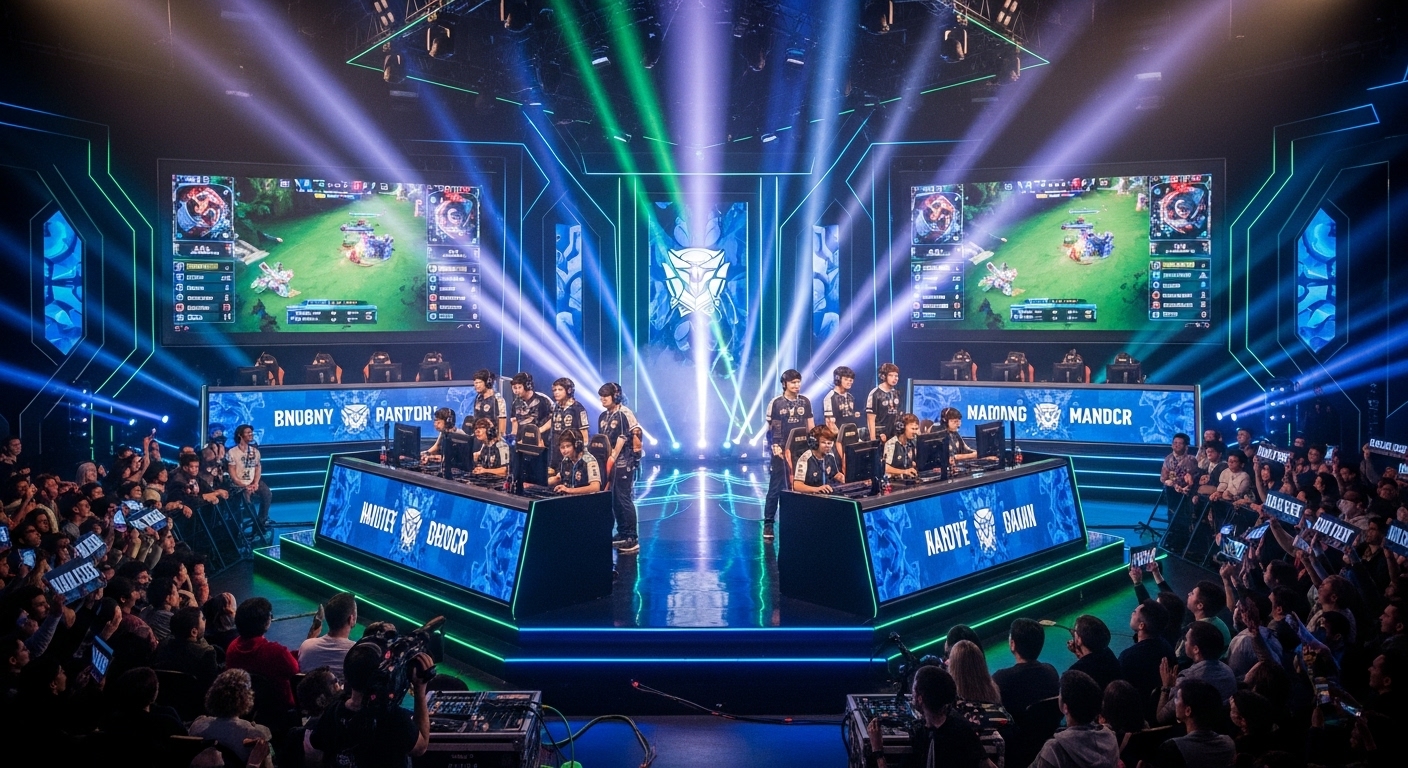
E-sports tournaments are now global spectacles, with prize pools reaching millions of dollars. The International for Dota 2, the League of Legends World Championship, and Fortnite World Cup exemplify the scale and professionalism of competitive gaming. These tournaments feature meticulously organized events with live commentary, analyses, and interactive fan experiences, providing a spectacle comparable to traditional sporting events.
Professional teams spend months preparing for tournaments, analyzing opponents, and developing strategies. The competitive structure emphasizes skill, adaptability, and mental fortitude, with every match presenting high-stakes pressure that challenges players to perform at their best.
The Role of Streaming Platforms
Streaming platforms have revolutionized e-sports, providing direct access to live events for millions of fans worldwide. Platforms such as Twitch and YouTube Gaming allow fans to watch competitions in real time, interact with players and commentators, and engage in community discussions. This accessibility has significantly increased e-sports’ global reach and appeal.
Streaming also democratizes the gaming experience. Amateur players can showcase their skills, gain recognition, and attract sponsorships, bridging the gap between casual and professional play. Additionally, streamers create educational content, entertaining narratives, and in-depth game analyses, enriching the overall e-sports ecosystem.
Building Communities through E-Sports
Community engagement is central to e-sports’ success. Fans actively participate in discussions, share fan art, organize events, and contribute to the broader gaming culture. Online forums, social media groups, and streaming platforms allow fans to interact with each other and with professional players, fostering a sense of belonging and shared enthusiasm.
E-sports communities transcend geographical boundaries, language, and culture, connecting individuals with a common passion. Multiplayer games encourage collaboration and communication, further strengthening social bonds among players. For many, e-sports is not just entertainment but a platform for social interaction and personal connection.
Strategy, Training, and Mental Preparation
High-level e-sports competition demands more than skill; it requires careful strategy, rigorous training, and mental preparation. Teams employ coaches, analysts, and support staff to optimize performance. Players study opponents, refine in-game strategies, and develop teamwork protocols to maximize effectiveness during matches.
Mental resilience is crucial in e-sports. Players must maintain focus during long tournaments, manage stress, and make split-second decisions under pressure. Physical conditioning and healthy routines are also essential, as reaction times, hand-eye coordination, and cognitive performance directly affect competitive outcomes.
Technological Innovations in E-Sports
Technology is the backbone of e-sports. High-speed internet, low-latency servers, advanced graphics, and powerful hardware enable seamless competitive play. Emerging technologies such as virtual reality, augmented reality, and cloud gaming promise new immersive experiences for both players and audiences.
Broadcasting technology has also enhanced the spectator experience. Multi-angle camera views, interactive overlays, real-time statistics, and immersive graphics create an engaging and dynamic viewing experience. Technology not only enables gameplay but also elevates e-sports as a form of entertainment, appealing to global audiences.
Economic Impact of E-Sports
E-sports has become a multibillion-dollar industry, generating revenue from tournaments, sponsorships, merchandise, ticket sales, and digital content. Companies recognize the marketing potential of highly engaged and loyal audiences, leading to partnerships with energy drinks, technology brands, and lifestyle companies.
The economic impact extends beyond players and teams. Streaming platforms, game developers, event organizers, and content creators all benefit from e-sports’ growth, creating employment opportunities and stimulating innovation across multiple sectors.
Cultural Influence of E-Sports
E-sports has reshaped entertainment and pop culture. Professional players are celebrities, influencing fashion, music, and digital trends. The community-driven nature of e-sports fosters creativity, collaboration, and global cultural exchange. Fans engage with games not only as players but also as content creators, commentators, and organizers, reinforcing the participatory culture that defines modern gaming.
E-sports also challenges traditional notions of sports, skill, and competition. It demonstrates that digital performance, strategy, and reflexes are equally worthy of recognition and celebration as physical athleticism.
Challenges and Controversies
Despite its success, e-sports faces challenges. Player burnout, online toxicity, cheating, and disparities in gender representation are ongoing concerns. The industry must address inclusivity, fair play, and mental health to ensure sustainable growth.
Regulatory frameworks are also evolving. Issues such as contracts, intellectual property, and tournament governance require attention to maintain credibility and protect stakeholders. Addressing these challenges is essential for e-sports to achieve long-term legitimacy and stability.
The Future of E-Sports
The future of e-sports is filled with potential. Virtual and augmented reality may transform spectator experiences, while artificial intelligence could provide strategic insights for teams and fans. Cloud gaming promises accessible, high-quality competition for anyone with an internet connection, democratizing participation on a global scale.
E-sports is likely to further intersect with education, traditional sports, and mainstream entertainment. Universities are launching competitive gaming programs, while traditional athletes are engaging with e-sports communities. The continued blending of technology, culture, and competition ensures that e-sports will remain a dynamic and influential force for years to come.
Conclusion
E-sports has grown from arcade competitions to a global entertainment powerhouse. It combines strategy, skill, teamwork, and technology into an immersive and engaging experience for players and fans alike. With professional players, passionate communities, technological innovation, and global tournaments, e-sports has redefined how we view competition, entertainment, and digital culture. Its continued growth promises to inspire, connect, and entertain millions worldwide, solidifying its position as one of the most influential and transformative industries of the modern era.