
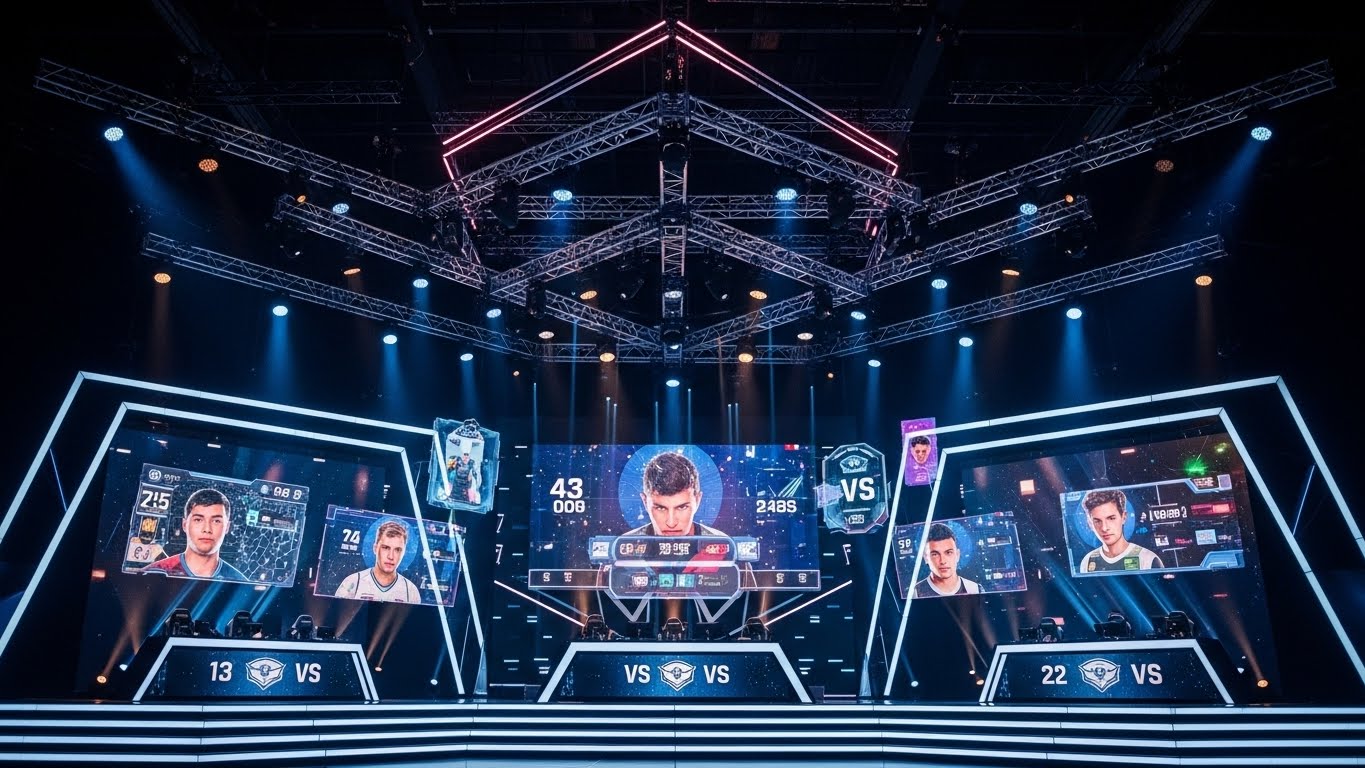
Esports has transformed from a niche hobby into a global phenomenon, captivating millions of fans and attracting massive investments. Once dismissed as just “video games,” competitive gaming now stands alongside traditional sports, offering professional careers, international tournaments, and a thriving fan culture. In this blog post, we explore the evolution of esports, the economic impact, the cultural significance, and what the future holds for this dynamic industry.
The Origins of Esports
Esports, short for electronic sports, traces its origins back to the 1970s and 1980s, when video games first became a form of interactive entertainment. Early competitive gaming events were local or regional, often organized by gaming clubs or arcades. The 1980s saw the emergence of arcade game competitions like Space Invaders and Pac-Man tournaments, while the 1990s brought networked multiplayer games such as Doom and Quake, which laid the foundation for modern competitive gaming.
The rise of the internet and faster home computers in the late 1990s and early 2000s enabled gamers to compete online across cities and countries. This period also saw the creation of early professional leagues and the first large-scale tournaments, providing a blueprint for the structured competitive ecosystems we see today.
Understanding Esports Today
Modern esports encompasses a wide range of competitive games across multiple genres, including real-time strategy, first-person shooters, multiplayer online battle arenas, and sports simulations. Popular titles include League of Legends, Dota 2, Counter-Strike: Global Offensive, Fortnite, and FIFA. Each of these games has cultivated its own community, professional league, and tournament circuit.
One defining feature of esports is its global accessibility. Unlike traditional sports that require physical presence or regional infrastructure, esports can be played and streamed by anyone with a computer or gaming console and an internet connection. This accessibility has contributed to the exponential growth of the esports audience, which now spans multiple continents and demographics.
The Competitive Structure of Esports
Esports tournaments have become increasingly sophisticated, mirroring the structure of professional sports leagues. Players compete in regional qualifiers before advancing to national or international events. Major tournaments often feature prize pools worth millions of dollars, attracting top talent and sponsorships from multinational brands.
Teams in esports are structured much like traditional sports franchises. They include players, coaches, analysts, and support staff, all working together to optimize performance. Many organizations also invest in youth development programs to cultivate new talent, ensuring the sustainability of their teams over time.
Economic Impact of Esports
The esports industry has grown into a multi-billion-dollar ecosystem, generating revenue from multiple streams including sponsorships, advertising, media rights, merchandise, and ticket sales. Leading companies see esports as an effective way to engage younger audiences, with many global brands investing heavily in partnerships with tournaments, teams, and individual players.
Esports also creates economic opportunities for players, coaches, content creators, and event organizers. Top players can earn substantial salaries, while streaming platforms allow gamers to monetize their skills directly by engaging with fans. Event management, marketing, and content production also provide careers that did not exist a decade ago, highlighting the diverse impact of esports on the job market.
Cultural Significance of Esports
Esports has become more than just a competition; it is a cultural movement that brings together communities around shared interests. Fans celebrate players, discuss strategies, and create content such as tutorials, memes, and fan art. Live streaming platforms have transformed how fans consume esports, allowing real-time interaction with players and other fans around the world.
The culture of esports also challenges traditional notions of athleticism. While physical fitness is still important, mental agility, teamwork, strategy, and reaction time are equally critical. This shift broadens the definition of sports and encourages a more inclusive understanding of competition.
The Role of Technology in Esports
Technology has been central to the evolution of esports. High-speed internet, advanced graphics, and cloud computing enable seamless online competition. Streaming platforms allow tournaments to reach global audiences, while data analytics and artificial intelligence provide teams with insights to enhance performance.
Virtual reality and augmented reality are starting to influence the esports landscape, offering immersive experiences for both players and fans. These innovations promise to redefine how competitive gaming is played and consumed in the coming years.
Challenges Facing Esports
Despite its rapid growth, esports faces several challenges. Player burnout is a major concern, as professionals often endure long hours of practice and intense travel schedules. Mental health support, regulated working conditions, and career longevity are areas that require attention to ensure the well-being of players.
Another challenge is the lack of standardization across leagues and tournaments. While some games have established professional circuits, others rely on ad-hoc competitions, making it difficult for sponsors and fans to navigate the ecosystem. Regulatory and legal frameworks also lag behind the industry, creating uncertainty around contracts, intellectual property, and gambling-related concerns.
The Future of Esports
The future of esports looks promising, with continued expansion expected across multiple fronts. Emerging technologies such as virtual reality, augmented reality, and artificial intelligence will provide new ways for players to compete and for fans to engage. Mobile esports, particularly in regions like Asia and Africa, is opening competitive gaming to a wider audience than ever before.
Esports may also increasingly intersect with traditional sports, entertainment, and education. Universities now offer scholarships for esports athletes, and some professional sports franchises are investing in esports teams, bridging the gap between virtual and physical competition. As the industry matures, we can expect more structured leagues, higher production values, and more diverse opportunities for careers in competitive gaming.
Conclusion
Esports is no longer just a pastime; it has become a legitimate form of entertainment, competition, and career development. Its growth reflects the convergence of technology, culture, and human creativity. As the industry continues to evolve, it promises to redefine the way we think about sports, entertainment, and digital communities.
Whether you are a casual gamer, a fan, or someone curious about emerging trends, esports offers a fascinating glimpse into the future of entertainment. It is a space where skill, strategy, and passion come together on a global stage, proving that competition has found a new home in the digital age.