
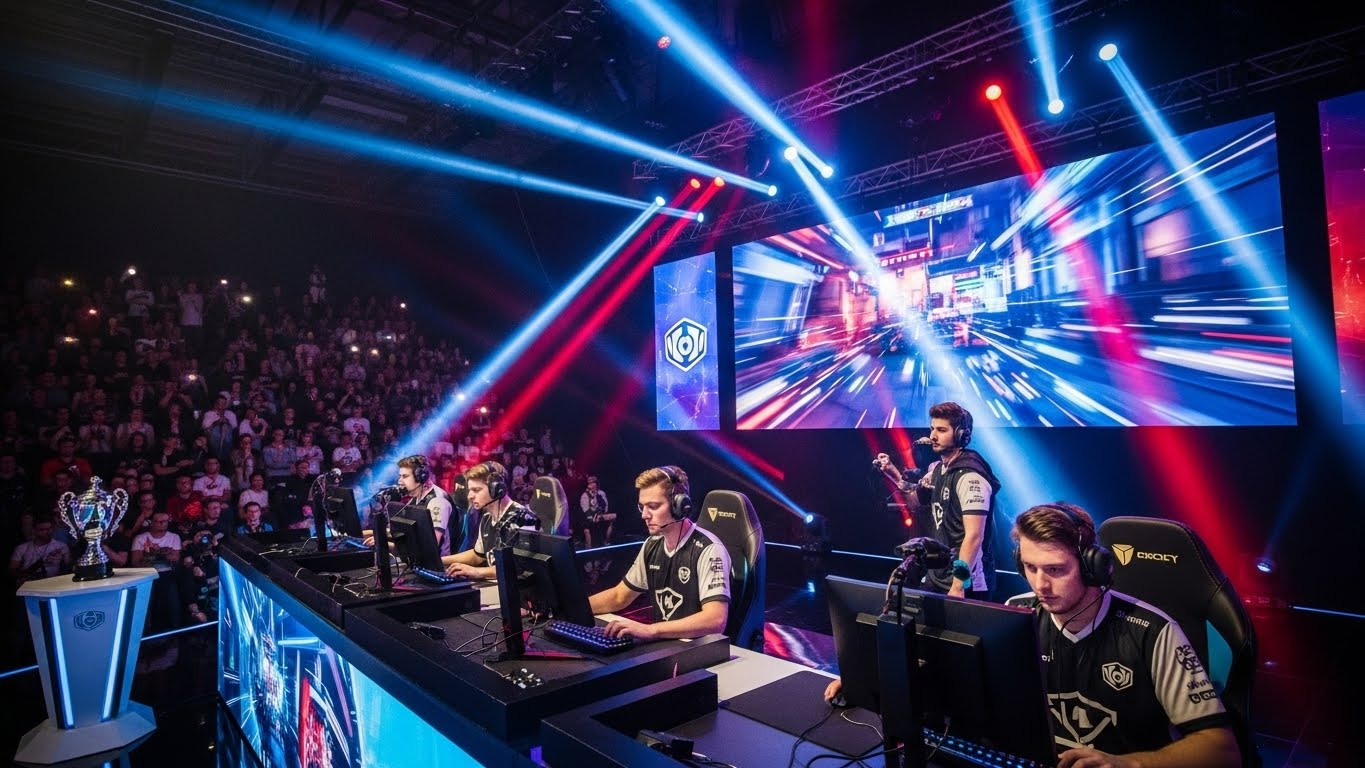
Esports has emerged as one of the most influential phenomena of the 21st century, transforming how we think about competition, entertainment, and community. What was once dismissed as a casual hobby has evolved into a global industry, attracting millions of players and fans alike. With professional leagues, international tournaments, and multi-million-dollar prize pools, esports is no longer just about playing games—it is a serious, structured, and highly competitive arena that mirrors traditional sports in its intensity, dedication, and impact.
In this blog, we will explore the evolution of esports, its social and economic impact, the challenges it faces, and why it is becoming an essential part of modern culture.
The Birth and Evolution of Esports
The origins of esports can be traced back to the 1970s and 1980s when early arcade games and home consoles sparked competitive play among enthusiasts. Games like Space Invaders and Pac-Man inspired informal competitions, while events like the Space Invaders Championship in 1980 marked the beginning of organized gaming tournaments.
The 1990s brought the rise of personal computers and multiplayer online games, creating a more structured competitive environment. Titles such as StarCraft, Quake, and Counter-Strike laid the groundwork for professional gaming. The availability of the internet enabled global competition, allowing players to test their skills against opponents from around the world. Over the decades, esports evolved from local competitions to national leagues and eventually to the global tournaments we see today.
Understanding Esports: More Than Just Gaming
Esports, short for electronic sports, is organized, competitive video gaming at a professional level. Unlike casual play, esports requires high levels of skill, strategy, teamwork, and dedication. Players specialize in particular games, characters, or roles, often training for hours each day to maintain peak performance.
Games like League of Legends, Dota 2, Call of Duty, Fortnite, and Valorant dominate the esports landscape, each offering unique gameplay mechanics and competitive structures. What differentiates esports from casual gaming is the professionalism, organization, and commitment required. Professional teams, coaches, analysts, and support staff work together to optimize performance, ensuring that players are not only skilled but also strategic and resilient.
The Rise of Esports as a Global Phenomenon
Esports is no longer limited to niche communities. It has grown into a worldwide phenomenon, attracting millions of viewers and generating billions in revenue. Major tournaments such as The International, League of Legends World Championship, and Fortnite World Cup fill stadiums and draw massive online audiences.
Streaming platforms have played a critical role in the growth of esports. Services like Twitch, YouTube Gaming, and other platforms allow fans to watch live matches, interact with players, and follow their favorite teams. This accessibility has expanded the reach of esports, turning it into a global community where players and fans engage in real-time.
Economic Impact of Esports
Esports is a booming industry with diverse economic opportunities. Player salaries, prize money, sponsorships, merchandise sales, and media rights contribute to a multi-billion-dollar ecosystem. Top players earn substantial incomes through contracts and endorsements, while teams generate revenue from brand partnerships and fan engagement.
Beyond professional play, esports drives economic activity in related sectors such as gaming hardware, software development, event management, and content creation. Gaming conventions, live tournaments, and online streaming platforms create jobs and stimulate business growth. The economic impact of esports extends far beyond the virtual arena, influencing global markets and industries.
The Role of Streaming and Digital Platforms
One of the most significant factors behind esports’ rise is the influence of streaming and digital platforms. Viewers can watch live gameplay, learn strategies, and engage with players in real time. This interactive model has revolutionized the fan experience, creating a dynamic and engaged audience.
Streaming platforms have also democratized access to esports. Players from different regions can showcase their skills without traditional barriers, while fans can participate in discussions, vote for outcomes, and feel like part of the action. The interactive nature of esports streaming has transformed it into a community-driven experience that blends entertainment, competition, and social interaction.
Training and Discipline in Esports
Professional esports requires dedication and discipline akin to traditional sports. Players spend hours practicing mechanics, strategies, and teamwork. Many follow strict routines, including physical exercise, nutrition, and mental health practices to maintain peak performance.
Team coordination is critical. Players must communicate effectively, anticipate opponents’ moves, and adapt strategies on the fly. The combination of reflexes, critical thinking, and teamwork makes esports a demanding profession that tests both mental and physical abilities.
Esports and Youth Engagement
Esports has a strong appeal among younger generations. Many teenagers and young adults view competitive gaming as a legitimate career path. Schools and universities have recognized this trend, offering esports programs, scholarships, and organized tournaments.
Participation in esports enhances cognitive skills, including problem-solving, multitasking, and strategic thinking. Team-based games foster communication, collaboration, and leadership. These skills are not only applicable in gaming but also transferable to academics and professional life, demonstrating that esports can contribute to holistic development.
Gender Diversity and Inclusion in Esports
Historically, esports has been male-dominated, but the landscape is changing. Female gamers and mixed-gender teams are gaining visibility, challenging stereotypes, and contributing to a more inclusive environment.
Efforts to promote diversity and inclusion include mentorship programs, women-only tournaments, and awareness campaigns. These initiatives encourage participation from all backgrounds, making esports a platform where talent, skill, and dedication are valued above gender or identity.
Mental and Physical Challenges
Despite its popularity, esports comes with unique challenges. Players face mental stress from high expectations, competitive pressure, and long hours of practice. Mental health concerns such as anxiety, burnout, and depression are increasingly recognized within the industry.
Physical health is also a consideration. Extended periods of gameplay can lead to eye strain, repetitive strain injuries, and poor posture. Many professional teams now incorporate fitness routines, ergonomic practices, and wellness programs to support player health, ensuring sustainable careers.
Esports as a Cultural Force
Esports is more than just competition; it has become a cultural phenomenon. Fans celebrate victories, create fan art, cosplay characters, and engage in community discussions. Esports personalities are global icons, admired for skill, strategy, and personality.
The cultural impact extends to music, fashion, and entertainment. Collaborations between esports brands and mainstream artists or apparel companies demonstrate how gaming culture influences wider trends. Esports has become a lifestyle, shaping identity and community in ways traditional sports often do.
The Future of Esports
The future of esports is promising and dynamic. Emerging technologies such as virtual reality, augmented reality, and artificial intelligence will create more immersive gameplay and viewing experiences. Esports is also expanding into emerging markets, bringing professional opportunities to new regions and audiences.
Educational institutions are increasingly incorporating esports into research, management, and academic programs. Hybrid formats combining live events with online participation will continue to evolve, making esports more interactive, accessible, and globally integrated.
Lessons from Esports
Esports offers lessons that extend far beyond gaming. Players develop resilience, strategic thinking, teamwork, and adaptability. They learn to handle pressure, face setbacks, and celebrate achievements responsibly.
Additionally, esports fosters a sense of community. Fans and players share experiences, celebrate victories, and support one another. It demonstrates that digital spaces can cultivate meaningful human connections, proving that competition and camaraderie can coexist in the virtual world.
Conclusion
Esports has grown from a niche hobby into a global industry, redefining competition, entertainment, and community engagement. It influences culture, economy, education, and technology, becoming a significant part of modern life.
Esports is more than just playing video games; it represents dedication, skill, and the ability to connect people across continents. As the industry continues to expand, it will provide opportunities for players, creators, and fans worldwide. The digital arena is not just a future trend—it is a present reality, shaping how we understand competition, teamwork, and global connectivity in the 21st century.
Esports has unleashed a new era of human potential, proving that digital skill and strategic thinking are as celebrated, respected, and rewarding as physical prowess. Its influence will continue to grow, inspiring generations to compete, collaborate, and innovate in ways never imagined before.