
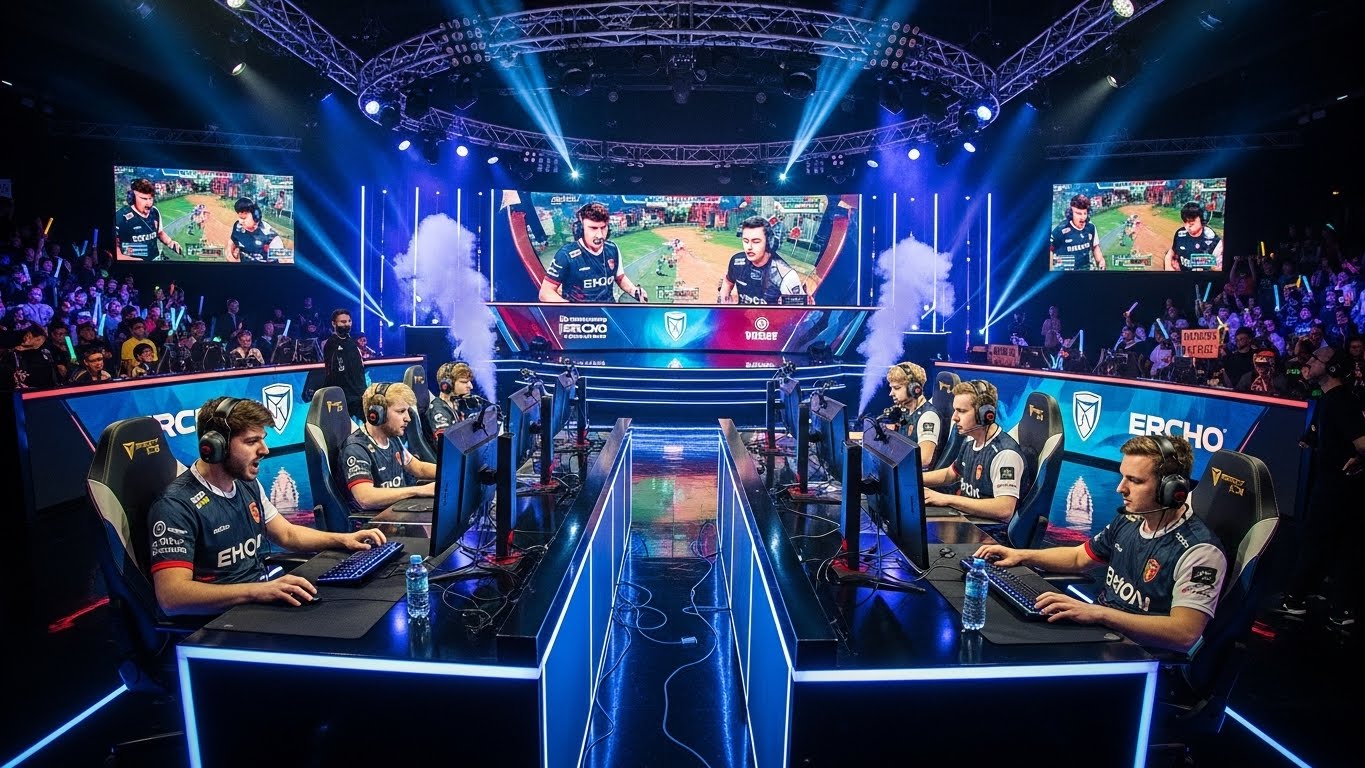
Esports, the world of competitive video gaming, has transformed from a casual hobby into a global cultural and economic phenomenon. What was once considered a niche pastime for gamers has now evolved into a professional arena where players compete for fame, fortune, and fan followings. With massive tournaments, millions of viewers, and lucrative sponsorship deals, esports has redefined what it means to be an athlete in the 21st century. This blog delves into the origins, growth, and impact of esports, exploring why it has captivated audiences around the world and how it continues to shape modern entertainment.
The Humble Beginnings of Esports
The origins of esports trace back to the late 1970s and early 1980s when arcade competitions became popular in the United States and Japan. Early events such as the Space Invaders Championship in 1980 drew thousands of players eager to showcase their gaming skills. These tournaments were simple by today’s standards, yet they laid the foundation for competitive gaming as a form of organized sport.
During the 1990s, the rise of home computers and online gaming expanded the scope of esports. Titles like StarCraft, Quake, and Counter-Strike became staples in competitive gaming, offering intricate gameplay that rewarded strategy, teamwork, and precision. South Korea became a focal point during this era, particularly with StarCraft, where professional leagues were televised, and players gained celebrity status. These early developments established esports as a legitimate form of entertainment and competition.
The Digital Revolution and Esports Growth
The 2000s and 2010s marked a turning point for esports, driven by technological advancements. High-speed internet, streaming platforms, and sophisticated game engines allowed players and audiences to connect across the globe. Platforms like Twitch and YouTube Gaming enabled live broadcasting of tournaments, creating a new form of spectator experience.
Esports events evolved from small local gatherings to massive stadium spectacles. Fans began to treat esports tournaments much like traditional sports, cheering for teams, analyzing strategies, and celebrating iconic moments. Multiplayer Online Battle Arena games, such as League of Legends and Dota 2, alongside first-person shooters and battle royale titles, became household names. This period cemented esports as a mainstream form of entertainment.
Economic Impact: A Billion-Dollar Industry
Esports has grown into a highly lucrative industry, generating billions of dollars annually through sponsorships, advertising, merchandise, media rights, and tournament prize pools. Major corporations, from tech giants to fashion brands, sponsor teams and tournaments, recognizing the marketing potential of reaching a young, engaged audience.
Professional players earn substantial incomes not only from prize money but also through streaming and sponsorship deals. Top-tier players can make salaries comparable to athletes in traditional sports. Beyond players, esports supports a wide range of careers including coaches, analysts, event managers, commentators, and content creators, forming a diverse ecosystem that sustains economic growth globally.
Social and Cultural Influence
Esports has had a profound social and cultural impact. It has redefined what it means to compete, providing opportunities for players of all ages, genders, and backgrounds. Unlike traditional sports, esports requires minimal physical infrastructure, making it more accessible and inclusive. Communities form around games, with players and fans connecting through forums, social media, and live events.
Moreover, esports challenges traditional stereotypes of gaming. Once viewed as a waste of time, gaming is now recognized as a platform for skill development, strategic thinking, and teamwork. Educational institutions worldwide have started offering scholarships and programs for esports athletes, further legitimizing it as a valuable pursuit.
The Psychology Behind Esports’ Popularity
Esports captures human psychology in a unique way. Competitive gaming satisfies intrinsic desires for achievement, recognition, and social interaction. Players experience adrenaline, strategic problem-solving, and emotional highs similar to traditional sports athletes. The immediate feedback and measurable progress in games create a sense of accomplishment and mastery.
For spectators, esports offers engagement, community, and identity. Fans form emotional bonds with teams and players, participate in discussions, and celebrate victories as if they were part of the action. The combination of suspense, skill-based competition, and community interaction creates an immersive and compelling experience that keeps audiences coming back.
Challenges in the Esports Landscape
Despite its growth, esports faces several challenges. Player burnout and mental health concerns are significant issues. Professional gamers often train for long hours, leading to physical strain, stress, and psychological fatigue. Maintaining a healthy balance between training, competition, and personal life is a constant struggle for many athletes.
Regulatory challenges also exist. Unlike traditional sports, esports lacks standardized rules and governance across different games and tournaments. Issues such as cheating, match-fixing, and inconsistent regulations occasionally undermine the credibility of competitions. Additionally, diversity remains a challenge, as female and marginalized players continue to face barriers in certain esports communities.
Technological Advancements Driving Esports
Technology is at the heart of esports’ growth. Fast internet connections, streaming software, and online multiplayer infrastructure have made competitive gaming accessible worldwide. Data analytics and artificial intelligence are increasingly used to optimize player performance, develop strategies, and enhance audience engagement.
Emerging technologies like virtual reality and augmented reality have the potential to further revolutionize esports. Immersive experiences could redefine gameplay and viewing experiences, offering fans an unparalleled sense of participation. As technology continues to evolve, esports will remain at the forefront of digital entertainment innovation.
Esports vs. Traditional Sports
Esports shares similarities with traditional sports but also stands apart. Like traditional athletes, esports players demonstrate discipline, strategy, and mental resilience. However, esports emphasizes cognitive skill, reflexes, and strategic decision-making rather than physical endurance.
The convergence of esports and traditional sports is increasingly visible. Professional sports teams are establishing esports divisions, engaging younger audiences, and exploring digital entertainment opportunities. However, esports maintains its unique digital culture, appealing to a generation raised on interactive media and online communities.
The Future of Esports
The future of esports is bright and expansive. Increased investment, technological innovation, and mainstream acceptance suggest continued growth. We can expect more professional leagues, global tournaments, educational programs, and immersive fan experiences. Esports will likely continue integrating with entertainment, social media, and technology, creating new opportunities for players, fans, and businesses.
The rise of virtual reality and augmented reality may transform esports into an even more interactive spectacle, redefining audience participation and engagement. As esports evolves, it will not only remain a competitive activity but also become a lifestyle and cultural touchstone for millions around the world.
Conclusion
Esports has transcended its origins as a niche hobby to become a major cultural and economic force. Its growth reflects technological innovation, changing social norms, and the universal appeal of competition. From humble beginnings in arcades to grand stadiums filled with cheering fans, esports has proven that digital competition can be both legitimate and influential. While challenges remain, the resilience, creativity, and passion of the esports community ensure that it will continue to shape the landscape of entertainment for years to come. Beyond the screen, esports represents a dynamic intersection of skill, culture, and innovation, redefining what it means to be a competitive athlete in the digital age.