
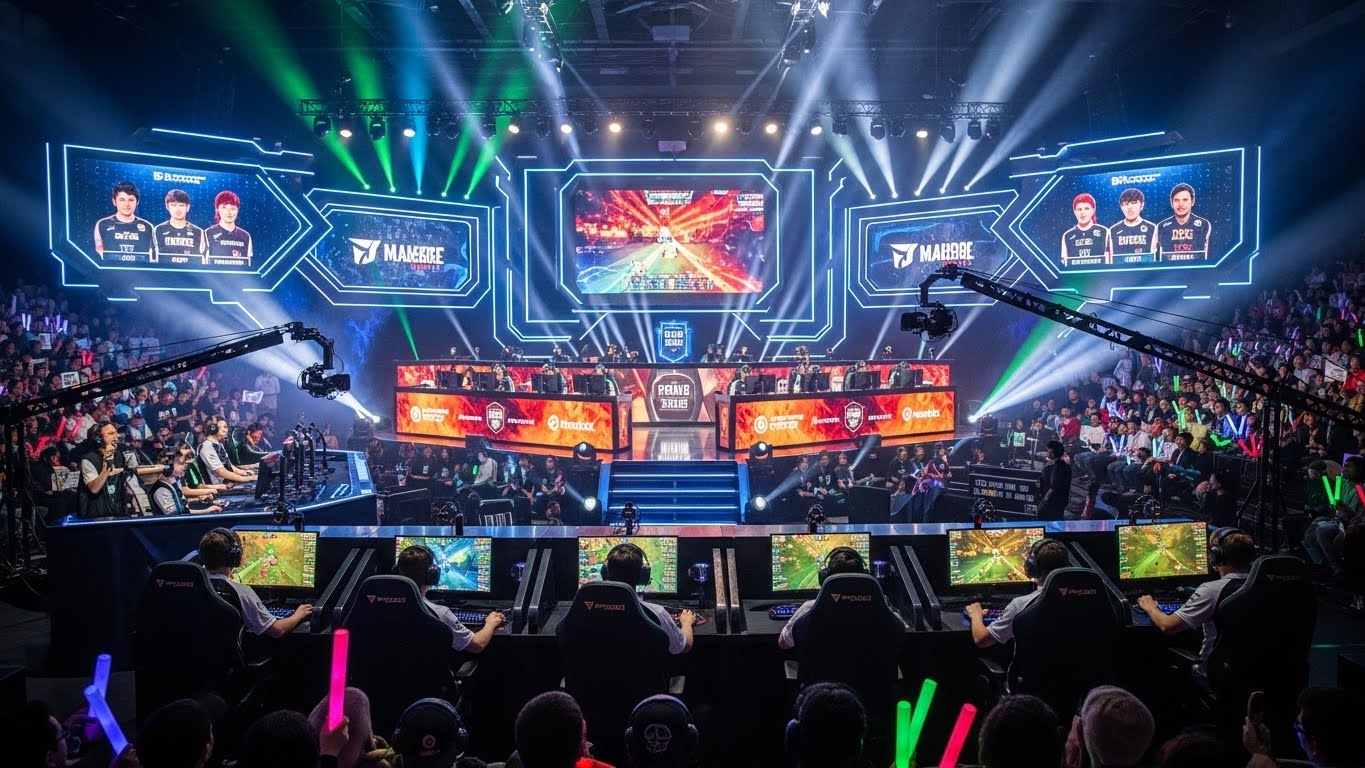
Esports has transformed from a niche hobby into a global industry, capturing the attention of millions of players, spectators, and investors worldwide. It is no longer just about playing video games; it represents a new form of competition, community, and culture in the digital age. Professional players dedicate hours to mastering skills, while fans gather online and offline to celebrate their favorite teams and games. This blog explores the rise of esports, its structure, social and economic impact, challenges, and the exciting future of competitive gaming.
The Birth of Competitive Gaming
The origins of esports trace back to the earliest days of video gaming. In the 1970s and 1980s, arcade games like Space Invaders and Pac-Man encouraged informal competition among friends. High-score challenges in arcades were the first glimpses of organized gaming competition.
As home computers and consoles became popular in the 1990s, multiplayer games began to thrive. Early titles like Quake, StarCraft, and Counter-Strike allowed players to compete locally and over early networks. The ability to challenge others remotely laid the foundation for organized tournaments, creating a sense that video gaming could be more than casual fun—it could be a serious, skill-based activity.
From Hobby to Professional Career
Esports made the leap from hobby to profession when structured tournaments and prize pools became common. Players started dedicating hours of practice each day, much like traditional athletes. Teams were formed, coaches were hired, and training regimens became sophisticated.
This professionalization changed the perception of gaming. No longer viewed as a pastime, competitive gaming required discipline, strategy, and teamwork. Major titles developed organized leagues with ranking systems, further legitimizing esports as a career path. Today, professional esports players can earn salaries, sponsorships, streaming revenue, and tournament prizes, making it a viable profession for talented individuals worldwide.
Structure and Organization in Esports
Esports operates in a highly organized ecosystem. Competitive games are divided into genres such as multiplayer online battle arenas, first-person shooters, real-time strategy games, and sports simulations. Each genre demands unique skills, from strategic planning to fast reflexes and precise execution.
Teams often have designated roles, with each player specializing in particular aspects of gameplay. Tournaments follow structured formats, including qualifiers, group stages, and playoffs. Officials enforce rules and monitor gameplay to ensure fairness. This structure mirrors traditional sports, providing credibility, consistency, and professional standards within the esports world.
The Life of an Esports Athlete
Being an esports athlete involves more than exceptional gaming skill. Players must maintain strict practice schedules, often practicing for several hours daily to refine strategies and improve mechanics. Team coordination is essential, requiring constant communication and understanding of individual roles.
Mental focus is equally important. Competitive matches demand rapid decision-making under pressure, and mistakes can be costly. Physical health is also a consideration, with players managing posture, hand strain, and eye fatigue. A professional esports career is demanding, requiring both mental resilience and physical stamina.
Mental Strength and Competition Pressure
The mental demands of esports are often underestimated. Players face intense pressure during matches, as millions of viewers may watch live streams or tournament broadcasts. Maintaining composure and focus is essential for consistent performance.
Many esports organizations incorporate psychological coaching to support mental health. Techniques such as mindfulness, stress management, and strategic thinking exercises help players navigate high-pressure environments. Success in esports depends as much on mental fortitude as on technical skill.
Technology Driving Esports Growth
Technology is the backbone of esports. High-performance computers, responsive peripherals, and reliable internet connections are essential for competitive play. Game developers play a key role by balancing gameplay, fixing bugs, and updating content to keep competitions fair and engaging.
Streaming technology has also transformed esports. Fans can watch matches live, interact with players through chat, and follow teams in real time. Commentary, replays, and interactive visuals enhance the viewing experience, making esports accessible and exciting for a global audience.
Community and Fan Culture
Esports thrives on community engagement. Fans form online groups, create content, and participate in discussions about strategy, players, and tournaments. The interactive nature of esports strengthens connections between players and audiences, creating a loyal and passionate fan base.
Unlike traditional sports, esports communities often have direct access to players through streaming platforms and social media. This accessibility fosters unique relationships and a strong sense of belonging. Fan culture, including memes, fan art, and cosplay, further enriches the ecosystem, celebrating creativity alongside competition.
Economic Impact of Esports
The esports industry has become a multi-billion-dollar global market. Revenue streams include tournament prize pools, sponsorship deals, advertising, merchandise, and media rights. Brands invest in esports to engage with younger, tech-savvy audiences, driving growth across the sector.
Hosting esports events stimulates local economies by attracting tourism, creating jobs, and supporting associated industries such as production, hospitality, and marketing. The financial scale of esports rivals traditional sports, highlighting its significance as both entertainment and commerce.
Education and Skill Development
Esports has educational value, challenging the perception that gaming is solely recreational. Schools and universities now offer esports programs that teach teamwork, communication, strategic thinking, and leadership. Students participating in esports develop problem-solving skills and learn to perform under pressure.
Scholarships and academic programs for esports athletes are increasingly common, demonstrating that competitive gaming can provide both personal growth and career opportunities. These initiatives encourage discipline, resilience, and creative thinking, skills applicable in both professional and academic environments.
Challenges Facing Esports
Despite its rapid growth, esports faces several challenges. Cheating, match-fixing, and inconsistent regulations can threaten the integrity of competition. The lack of standardized rules across different games and regions complicates enforcement and fairness.
Player welfare is another critical issue. Young athletes may face burnout, mental health pressures, and career instability without proper support. Addressing these challenges requires ethical governance, responsible management, and long-term planning for player development and safety.
Diversity and Inclusion in Esports
Esports has the potential to be one of the most inclusive competitive spaces. Unlike traditional sports, physical differences are less of a barrier. However, gender imbalance, harassment, and limited representation remain issues.
Efforts to increase diversity include initiatives to support women, LGBTQ+ players, and underrepresented groups. Inclusive practices strengthen the community, expand the talent pool, and promote a healthier competitive environment. By fostering equality, esports ensures its growth benefits everyone, regardless of background.
The Global Reach of Esports
Esports is inherently global. Players from different countries compete together, and audiences span continents. International tournaments showcase diverse playstyles and strategies, creating a platform for cultural exchange.
Global connectivity allows talent from remote regions to emerge and compete at the highest levels. Esports breaks down geographic and social barriers, offering opportunities to anyone with skill, dedication, and access to technology. This global reach is one of esports’ defining characteristics.
The Future of Esports
The future of esports is filled with potential. Technological advancements, including virtual reality, augmented reality, and artificial intelligence, will continue to enhance gameplay and fan experiences. Streaming, interactivity, and immersive experiences will shape how audiences engage with esports content.
Greater emphasis on player welfare, ethical standards, and inclusivity will ensure sustainable growth. As esports becomes more mainstream, it will influence education, entertainment, and digital culture, solidifying its place as a major global phenomenon.
Conclusion
Esports has evolved from informal gaming competitions to a structured, professional, and culturally significant industry. It combines skill, strategy, technology, and community in ways that traditional sports cannot replicate. From local tournaments to international championships, esports demonstrates the power of digital competition to unite, inspire, and entertain.
While challenges remain, the industry’s growth is a testament to its global appeal and cultural relevance. Esports is more than just a game—it is a movement that reflects the future of competition, creativity, and human connection in the digital age. The rise of esports proves that the digital arena is not just a virtual space; it is a new frontier for champions, communities, and innovation.