
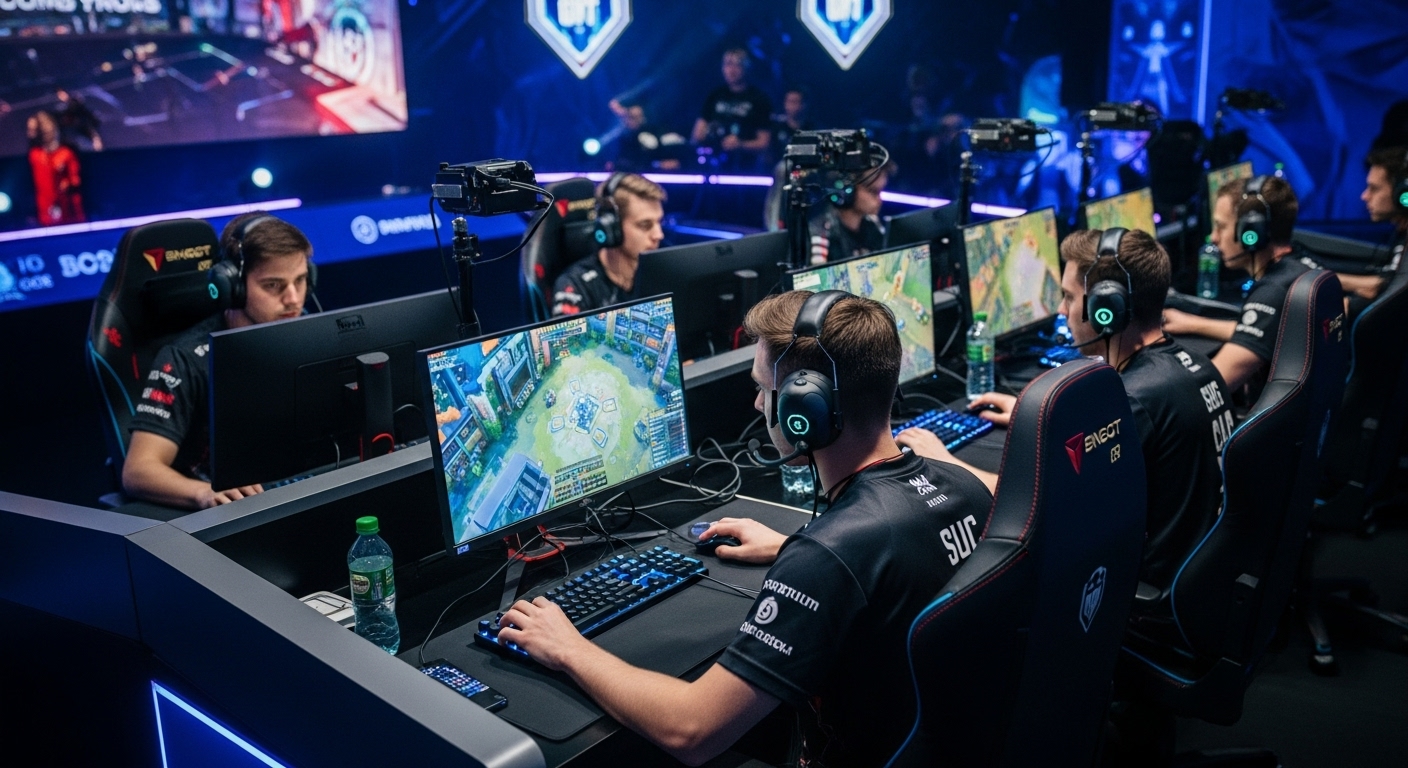
In the world of traditional sports, recruiting top talent is an essential part of a team’s success. Coaches scout potential players from high schools, colleges, and professional leagues, evaluating their skills, potential, and fit with the team’s overall strategy. The world of esports, however, operates differently, with unique challenges and opportunities when it comes to recruiting players. Instead of traditional athletic tests and college sports programs, esports recruitment revolves around digital performance, team dynamics, and community presence.
As the esports industry continues to grow, teams are becoming more strategic and professional about how they scout, evaluate, and recruit players. In this blog post, we’ll dive deep into the recruitment process in the world of esports, looking at how teams identify talent, the role of scouting and tryouts, and how the dynamics of esports recruitment differ from traditional sports.
1. The Digital Nature of Esports Recruitment
One of the key differences between traditional sports recruitment and esports recruitment is the digital environment in which esports athletes operate. Esports is first and foremost a digital sport, meaning that scouts and team managers are often looking at performance metrics and online behavior, rather than physical attributes.
Online Presence as the First Step
- Streaming Platforms: Platforms like Twitch and YouTube have become essential tools for scouting new talent. Many esports players stream their gameplay regularly, giving team managers and coaches an opportunity to watch their skills in real-time. A player’s stream serves as a window into their gameplay, mindset, and personality, making it an invaluable resource for potential recruitment.
- Social Media: Players also often use social media platforms like Twitter and Instagram to interact with fans and showcase their personal brands. A strong social media following can demonstrate a player’s influence and potential marketing power, which is something that esports organizations heavily consider when recruiting.
- Online Leaderboards and Tournaments: In most competitive games, players can be ranked on leaderboards based on their performance in matches. Top-tier players often attract attention from professional organizations because of their high rankings. Furthermore, many professional teams look at a player’s participation and success in online tournaments as a sign of their competitive edge and skill level.
Unlike traditional sports, where athletes are often discovered through school or amateur leagues, esports recruitment relies heavily on digital platforms, where performance is front and center, and players can easily showcase their abilities to the world.
2. Scouting Methods in Esports
Scouting talent in esports is far from the traditional “scout-in-the-field” approach that’s common in traditional sports. While it’s true that many esports athletes start their careers by playing informally or in smaller competitive leagues, finding the next big star requires a more targeted, data-driven approach.
Performance Metrics
In most esports games, performance can be tracked and analyzed in incredible detail. From kill/death ratios in first-person shooters to minion kills in MOBA games like League of Legends, esports coaches and scouts have access to rich data on players’ in-game performance. This data is often the first step in evaluating potential talent.
For example, in CS:GO, teams may look at how consistently a player can win 1v1 duels, their decision-making in clutch moments, and their ability to execute strategies. In Overwatch, a scout might look at a player’s ability to perform on specific characters, their coordination with team members, and their communication skills during fast-paced matches. In Fortnite, building speed and accuracy are critical.
Tournament and Competitive League Participation
While top players can be discovered through streaming and online leaderboards, one of the most reliable methods of discovering talent is through tournament play. Major esports tournaments often serve as public tryouts for players, where top-level performance is on full display. For instance, the League of Legends World Championship and the The International (Dota 2) are both huge platforms for players to showcase their skills on a global stage.
Esports teams also host their own private tournaments or participate in third-party competitions to scout new talent. This allows them to see how players perform under pressure, their adaptability to changing game dynamics, and how well they work as part of a team. Even amateur leagues can be a goldmine for undiscovered talent, and many professional teams scout players from these smaller events.
3. The Importance of Team Dynamics and Communication
In traditional sports, a coach or recruiter often looks for individuals who can excel in their roles and perform under pressure. However, in esports, team dynamics are just as important as individual performance. Most competitive esports games are team-based, meaning that a player’s ability to communicate and collaborate is vital.
Team Fit and Communication Skills
Esports organizations understand that it’s not just about finding the best individual player—it’s about finding the right person who fits within the team’s culture and playstyle. A player who can perform well individually but struggles with communication or doesn’t mesh with teammates can hurt the overall performance of the team.
Some games, like Overwatch or Rainbow Six Siege, require a high level of coordination and communication to execute strategies effectively. A player may have incredible mechanical skill, but if they can’t communicate effectively with teammates, they could hurt the team’s chances of winning. Team dynamics and leadership qualities are considered when recruiting, as well as a player’s ability to adapt to changing strategies or to work within a structured system.
Personality and Mental Toughness
In esports, just like in traditional sports, mental resilience and a strong attitude are essential. A player may possess all the right skills, but if they crumble under pressure, it can cost the team in crucial matches. As such, many esports organizations look closely at a player’s personality and mental toughness during the recruitment process.
Coaches and team managers often conduct interviews or even trial runs to gauge how a player reacts in intense situations, how they handle setbacks, and how they interact with others in a team environment. Building a cohesive and positive team culture is a priority for many professional organizations, which is why personality and emotional intelligence are just as important as raw skill.
4. Tryouts and Recruitment Camps
For many esports teams, tryouts are a vital part of the recruitment process. Much like traditional sports teams hold training camps to evaluate potential recruits, esports organizations also hold boot camps or training camps to test new players.
Online Tryouts
With the rise of digital platforms, many esports teams hold online tryouts where players submit clips of their gameplay or participate in live-streamed scrimmages against other potential recruits. This provides scouts with a comprehensive view of the player’s abilities without requiring them to attend a physical event.
In-Person or Virtual Boot Camps
In some cases, teams may hold physical or virtual boot camps where a select group of players are invited to train with the team for a set period. This allows coaches and managers to assess a player’s teamwork, attitude, and adaptability in real-time, providing a more in-depth view of their capabilities. These boot camps often involve scrimmages, coaching sessions, and intense practice routines, simulating the high-pressure environment of a professional esports league.
5. The Role of Sponsorships and External Partnerships
As esports continues to grow, so does the involvement of sponsors and external partnerships. Many esports teams have relationships with major brands like NVIDIA, Red Bull, and Intel, which can influence the recruitment process. Sponsorships and partnerships often come with performance expectations—requiring teams to recruit players who are not only skilled but also capable of helping increase a brand’s visibility.
Players who have large followings on platforms like Twitch or Twitter can be highly sought after due to their potential to generate publicity for the team’s sponsors. These players serve as both athletes and brand ambassadors, meaning that their influence and fan base can be as important as their in-game abilities.
6. The Future of Esports Recruitment
As esports continues to evolve, so too will the methods of recruitment. Artificial Intelligence (AI) and data analytics are increasingly being used to evaluate players, making the recruitment process more data-driven and precise. Teams are likely to invest in technology that tracks not only individual player performance but also team dynamics, communication patterns, and mental resilience.
The rise of esports-specific schools and academies, such as eSports High Schools and university teams, will also likely lead to an increased pipeline of talent entering the professional scene. These institutions provide players with the training, resources, and exposure needed to pursue a career in esports, creating a more structured talent development system.
Conclusion: Talent Meets Strategy
The recruitment process in esports is complex, nuanced, and multi-faceted. It’s not just about raw gaming skill; it’s about finding players who fit into the larger puzzle of a team, offering the right balance of individual talent, teamwork, and personality. As esports continues to grow in both popularity and sophistication, teams are becoming increasingly strategic in how they recruit players, using digital platforms, data analysis, and an understanding of team dynamics to build the perfect roster.
Esports recruitment has evolved beyond just picking top-tier players—it’s about creating a team that can work together, thrive under pressure, and continue to grow both as individuals and as a collective. The future of esports recruitment promises even more innovation, with new technologies and scouting methods ensuring that the next generation of stars is always just a few clicks away.