
Introduction to Esports
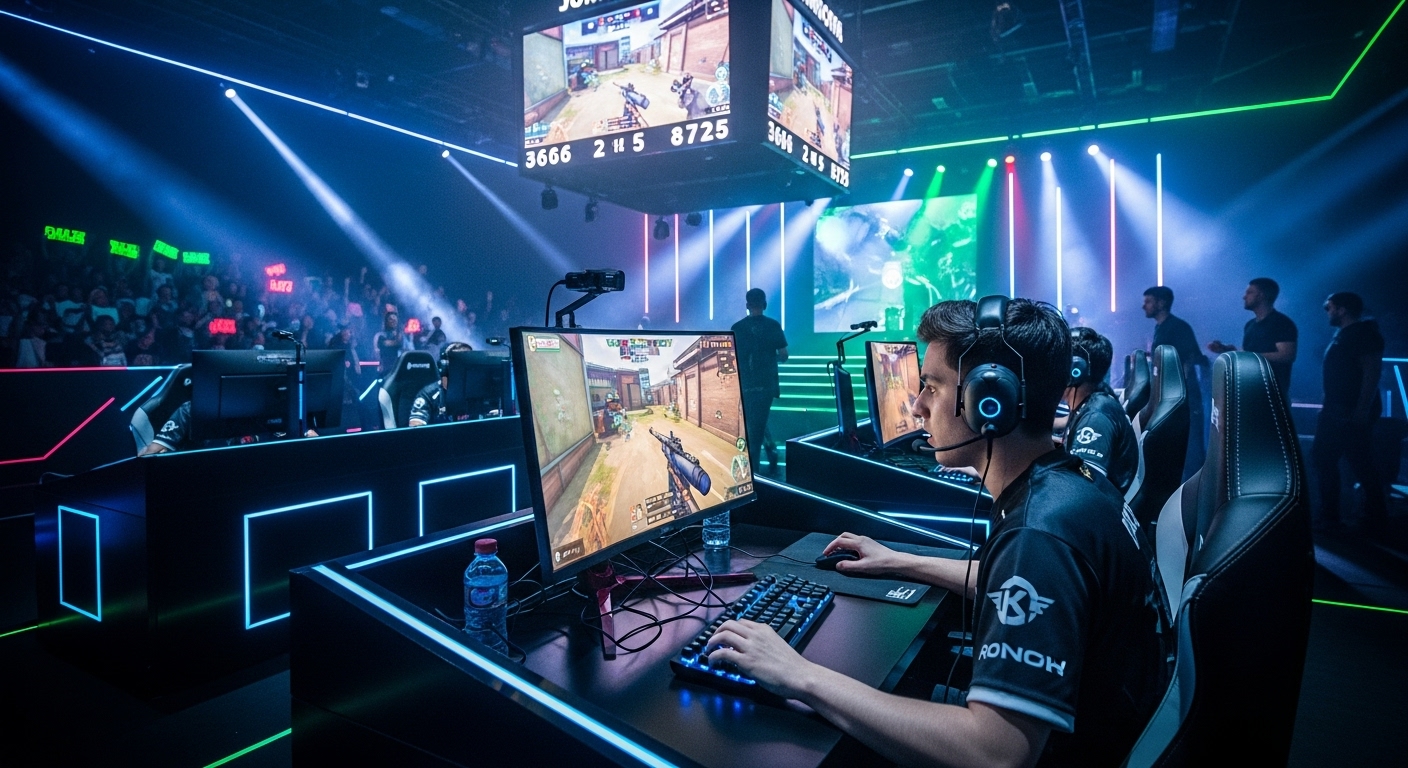
Esports, or electronic sports, represents one of the most transformative developments in the history of entertainment and competition. What began as small gatherings of gamers in local arcades or college dorms has now evolved into a global phenomenon. Today, esports is not merely a pastime; it is a full-fledged industry with international tournaments, multimillion-dollar sponsorships, and millions of fans worldwide. The rise of esports reflects not only the technological advancements of our time but also a significant cultural shift in how people define sportsmanship, teamwork, and digital achievement.
Esports has redefined what it means to be an athlete in the 21st century. Professional gamers train rigorously, practice teamwork, and dedicate countless hours to mastering their skills. Unlike the early days of gaming, where players competed for bragging rights, today’s esports scene involves professional contracts, live audiences, and global recognition. Esports athletes are now celebrated in the same manner as traditional sports stars, proving that digital arenas can be just as exciting and competitive as physical ones.
The Origins of Competitive Gaming
The roots of esports can be traced back to the 1970s when video games were first becoming mainstream. In 1972, a competition held at Stanford University for the game Spacewar! is often considered the first recorded esports event. The prize was a simple one-year subscription to a magazine, but the idea of organized gaming competition had been born.
The 1980s saw arcade games like Pac-Man and Donkey Kong become household names. Players began competing for the highest scores, and gaming magazines often published leaderboards featuring top players. This was the first taste of fame for competitive gamers. During this decade, tournaments began popping up in various parts of the world, setting the stage for what would later become professional esports.
The 1990s marked a significant turning point. The rise of home gaming consoles and personal computers made multiplayer gaming more accessible. Games like Street Fighter II, Quake, and StarCraft played crucial roles in building the competitive gaming community. The release of StarCraft in particular was monumental in South Korea, where esports began to grow into a major cultural movement. Televised tournaments in Korea during the late 1990s turned gamers into celebrities and laid the groundwork for esports leagues.
The Digital Revolution and Online Multiplayer
The explosion of the internet in the early 2000s was the true catalyst for esports. Online multiplayer games made it possible for players to compete with anyone, anywhere. Games like Counter-Strike, Warcraft III, and Dota allowed teams to form across countries, and online tournaments became increasingly common. The concept of LAN (local area network) parties evolved into large-scale online competitions, bringing together players from around the world.
Streaming platforms such as Twitch and YouTube Gaming further accelerated this growth. Suddenly, anyone could watch professional players in real time. Fans were no longer limited to stadium events; they could follow their favorite players from the comfort of their homes. The accessibility of esports helped it grow faster than anyone expected. Esports wasn’t just entertainment anymore—it was a lifestyle, a career, and a community.
The Emergence of Esports Leagues and Organizations
By the 2010s, esports had fully transitioned into an organized industry. Professional leagues were established, complete with rules, franchises, and sponsorships. Games such as League of Legends, Dota 2, Counter-Strike: Global Offensive, and Overwatch became the pillars of competitive gaming. Major companies began to invest heavily in teams, branding, and infrastructure.
The League of Legends World Championship drew millions of viewers each year, rivaling traditional sports events. The International, an annual tournament for Dota 2, set new records for prize pools, reaching tens of millions of dollars through community crowdfunding. These events demonstrated that esports was not just a niche hobby—it was a serious business with massive global appeal.
Esports organizations like Team Liquid, Fnatic, T1, and Cloud9 became household names. They built training facilities, hired coaches and analysts, and adopted the same professional structure seen in traditional sports teams. This level of professionalism gave esports greater legitimacy and helped attract mainstream sponsors from sectors like technology, automotive, and fashion.
Esports as a Career and Lifestyle
The rise of esports has opened doors to new careers beyond just playing games. Professional gamers may be the stars, but the industry also relies on a wide network of commentators, analysts, event organizers, content creators, and technical experts. Just as traditional sports need coaches, trainers, and managers, esports has developed its own support ecosystem.
Streaming has become a key aspect of the esports lifestyle. Many professional players stream their practice sessions and interact with fans directly. This connection between athletes and their audience creates a sense of community unmatched in other industries. Fans can learn from their favorite players, share strategies, and feel personally connected to the people they admire.
Esports has also become a source of education and inspiration. Many universities now offer scholarships for esports players, recognizing the dedication and discipline required to compete at a high level. Programs focusing on game design, management, and marketing have emerged, acknowledging esports as a legitimate and growing field.
Global Impact and Cultural Influence
Esports transcends borders and languages, bringing people together through shared passion. In regions like South Korea and China, esports is a cultural mainstay, while in North America and Europe, it continues to grow rapidly. Major cities now host massive tournaments in stadiums packed with fans waving team flags and chanting player names.
The cultural influence of esports is undeniable. It has shaped fashion, music, and even mainstream media. Celebrities and athletes have invested in esports teams, while global brands have used esports marketing to reach younger audiences. The integration of gaming culture into everyday life—through streaming, memes, and social platforms—demonstrates the power of esports as both entertainment and social phenomenon.
Esports has also influenced how people view sportsmanship. While physical strength may not be a requirement, mental agility, reflexes, teamwork, and strategy are crucial. The level of discipline and focus required to succeed in esports is comparable to any traditional sport. Players must manage stress, maintain physical health, and continuously adapt to evolving game mechanics—all while performing under immense pressure.
The Role of Technology in Esports Growth
The growth of esports is closely tied to technological innovation. Advancements in internet connectivity, graphics processing, and live streaming have allowed esports to flourish. High-performance computers, virtual reality, and artificial intelligence are now being integrated into training and gameplay analysis.
Developers are also creating games specifically designed for competitive play. Balancing game mechanics, adding spectator features, and ensuring fair play have become priorities for game studios. Technologies like augmented reality and cloud gaming are expected to push esports even further, making competitive gaming more immersive and accessible to wider audiences.
Moreover, data analytics has become a key tool for professional teams. Coaches and analysts use data to evaluate player performance, strategize, and predict opponents’ moves. This analytical approach mirrors the tactics used in professional sports and highlights the increasing sophistication of esports management.
Challenges in the Esports Industry
Despite its rapid growth, esports faces several challenges. One of the biggest issues is player burnout. The pressure to constantly perform at the highest level can take a toll on mental and physical health. Many players retire early because of stress or lack of work-life balance.
Regulation is another major concern. Since esports is a relatively new field, standardizing contracts, player rights, and tournament rules remains complex. Issues like cheating, match-fixing, and illegal betting have also raised concerns. Ensuring fair competition and integrity is essential for maintaining trust in the industry.
Diversity and inclusivity are ongoing discussions in esports as well. While the community is global, representation of women and marginalized groups is still limited. Many organizations are now working to create safer, more inclusive spaces where everyone can compete equally.
The Economic Power of Esports
The financial success of esports cannot be understated. What was once a hobby has turned into a billion-dollar industry. Prize pools, sponsorships, streaming revenue, and merchandise sales all contribute to the economic ecosystem of esports. Major brands have realized the marketing potential of reaching the digitally native generation through gaming.
Esports events fill arenas that were once exclusive to concerts and sports games. Live broadcasts attract millions of online viewers, creating opportunities for advertisers and media companies. Even traditional sports franchises have entered the esports scene, forming their own teams to stay connected with younger audiences.
The economic impact extends beyond gaming itself. Cities hosting major tournaments experience boosts in tourism and hospitality revenue. Universities offering esports programs attract international students. The ripple effect of this industry showcases how deeply it is integrated into the modern economy.
The Future of Esports
Looking ahead, the future of esports appears brighter than ever. The lines between traditional sports and esports are continuing to blur. Virtual reality and mixed-reality technologies are expected to revolutionize the viewer experience. The introduction of 5G networks will make online gaming faster and more accessible, further expanding esports participation.
Education and career opportunities in esports will continue to grow. As more institutions recognize esports as a legitimate field, young players will find structured pathways to pursue their passions professionally. Collaboration between game developers, sponsors, and educators will strengthen the industry’s foundation.
Esports will also continue to evolve culturally. With the integration of artificial intelligence and personalized streaming experiences, fans will enjoy deeper engagement with their favorite teams and players. Tournaments may soon become global festivals that celebrate not just gaming, but digital culture as a whole.
Conclusion
Esports has come a long way from the early arcade days to becoming one of the most influential industries of the modern age. It combines technology, entertainment, competition, and community in a way that few other fields can. The rise of esports signifies more than just the popularity of video games—it reflects how digital innovation has reshaped human connection and competition.
The journey of esports is a story of passion, creativity, and perseverance. From basement tournaments to global stages, esports has transformed into a symbol of modern unity and ambition. As technology continues to advance and global interest grows, esports is set to define the future of sports and entertainment alike.
In the end, esports is not merely about gaming; it is about human potential, the spirit of teamwork, and the power of imagination. It is the future of competition—and that future is already here.