
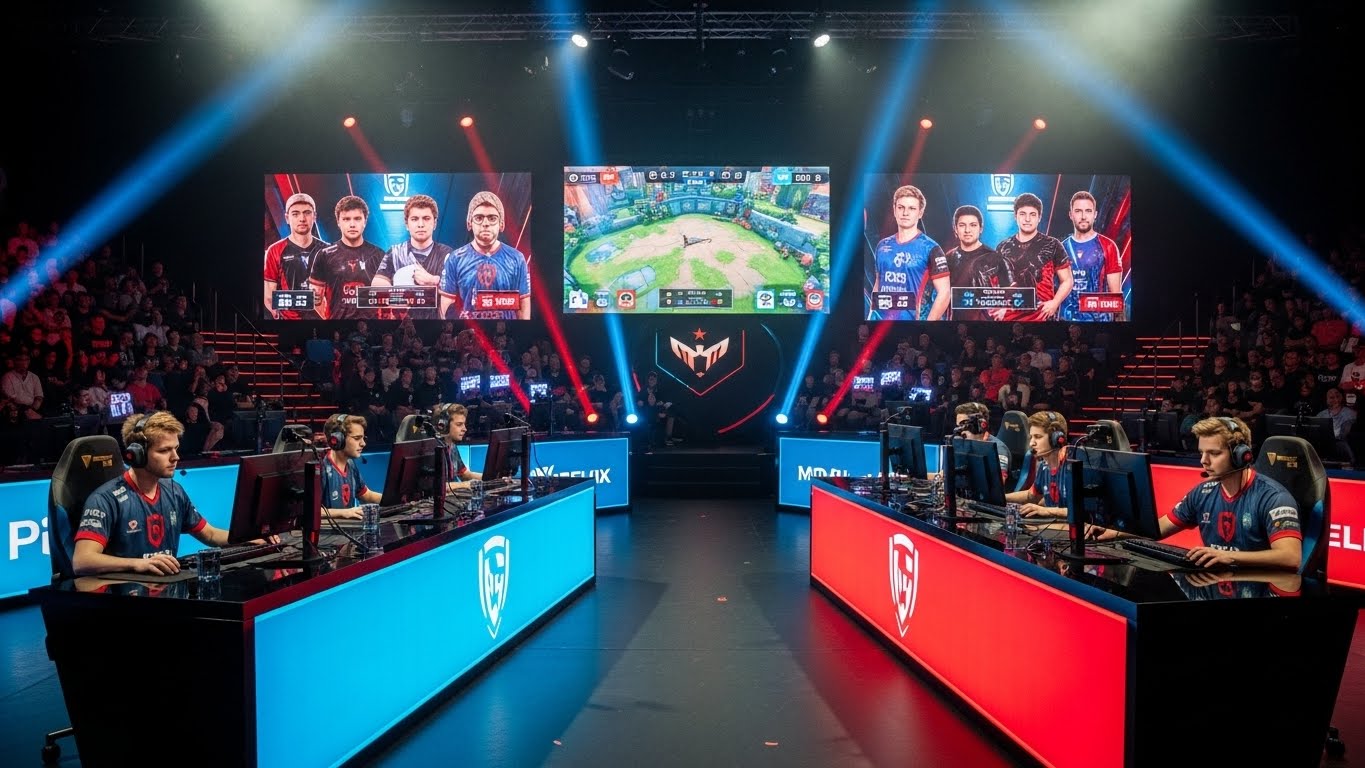
Introduction: A New Era of Competition
Esports has emerged as one of the most powerful and influential forms of modern competition. What began as casual video game play among friends has evolved into a professional global industry with elite athletes, massive tournaments, and millions of passionate fans. Esports represents a shift in how competition is defined in the digital age, blending technology, strategy, entertainment, and human skill. Far from being a passing trend, esports has established itself as a cultural and economic force that continues to reshape the world of sports and entertainment.
The Origins of Competitive Gaming
The roots of esports lie in the early days of video gaming when players competed for high scores in arcades and local gaming centers. These early competitions were informal but ignited a spirit of rivalry and achievement. As gaming consoles and personal computers became more widespread, competitive gaming expanded into homes and communities.
The true transformation began with the rise of online multiplayer games. Internet connectivity allowed players from different regions to compete in real time, creating global communities centered around skill and performance. Organized tournaments began to appear, attracting spectators and sponsorships. These developments laid the foundation for the professional esports industry seen today.
What Defines Esports Today
Esports is defined by organized, competitive video gaming played under structured rules and professional standards. Unlike casual gaming, esports requires consistent training, deep understanding of game mechanics, and strategic decision-making. Players compete individually or in teams, often representing professional organizations.
Modern esports includes leagues, seasonal championships, coaching staff, analysts, and strict regulations. Referees oversee matches, and rules ensure fairness and integrity. This professional structure aligns esports closely with traditional sports, reinforcing its legitimacy as a competitive discipline.
Popular Esports Genres and Games
Esports spans a wide range of game genres, each offering a unique competitive experience. Multiplayer online battle arena games emphasize teamwork, coordination, and strategic control of the map. First-person shooters focus on precision, reaction time, and communication. Real-time strategy games demand planning, adaptability, and resource management. Sports simulation games recreate real-world sports in a digital environment, combining realism with competitive intensity.
This diversity allows esports to appeal to a broad audience. Players can choose games that match their strengths, while fans enjoy a variety of playstyles and competitive formats. The wide range of genres ensures that esports remains dynamic and inclusive.
The Training and Lifestyle of Esports Athletes
Professional esports players are often compared to traditional athletes due to their rigorous training schedules. Many begin playing competitively at a young age, dedicating years to skill development. Daily routines typically include hours of practice, reviewing gameplay footage, team strategy meetings, and individual skill drills.
Physical and mental health are increasingly prioritized in esports. Players engage in exercise, proper nutrition, and mental conditioning to maintain focus and prevent burnout. Team-based esports require strong communication, trust, and adaptability, making teamwork just as important as individual skill.
Esports as a Form of Entertainment
One of the driving forces behind esports’ growth is its entertainment value. Esports events attract millions of viewers who tune in to watch high-stakes matches, dramatic comebacks, and intense rivalries. Professional production, expert commentary, and enthusiastic crowds create an engaging spectator experience.
Fans are drawn not only to the gameplay but also to the stories behind the players and teams. Underdog victories, legendary performances, and long-standing rivalries add emotional depth to competitions. Esports thrives on this connection between players and audiences, turning matches into memorable events.
Economic Impact and Industry Growth
The esports industry has experienced remarkable economic expansion. Revenue is generated through sponsorships, advertising, merchandise, ticket sales, and media rights. Professional teams operate as businesses, focusing on branding, marketing, and long-term sustainability.
Esports also creates employment opportunities beyond playing. Careers in coaching, broadcasting, event management, graphic design, marketing, and software development are integral to the industry. Educational institutions have begun offering esports-related programs, reflecting the industry’s growing influence and stability.
Cultural Significance and Global Reach
Esports has become a global phenomenon, connecting players and fans across continents. International tournaments bring together competitors from diverse cultural backgrounds, united by shared rules and digital platforms. These events showcase different playstyles and strategies influenced by regional gaming cultures.
Beyond competition, esports has influenced fashion, language, music, and online communities. Professional players have become cultural icons, inspiring younger generations to pursue gaming with discipline and purpose. Esports reflects the values of a digital generation that embraces innovation and global connection.
Challenges Facing the Esports Industry
Despite its success, esports faces several challenges. Player burnout remains a major concern due to long training hours and intense competition. Organizations are increasingly addressing this by promoting balanced schedules and mental health support.
Maintaining competitive integrity is another critical issue. Cheating, match manipulation, and unethical behavior threaten the credibility of esports. Strong governance, transparent rules, and ethical standards are essential to protect the industry’s reputation. Inclusivity and diversity are also ongoing priorities, as esports continues working toward creating safe and welcoming environments for all participants.
The Role of Technology in Esports
Technology is the backbone of esports. High-performance gaming hardware, optimized software, and reliable internet infrastructure are essential for fair competition. Broadcasting technology enhances the viewer experience with high-quality visuals, replays, and data-driven analysis.
Emerging technologies such as artificial intelligence and advanced analytics are transforming player training. These tools help identify weaknesses, improve strategies, and optimize performance. As technology evolves, esports will continue to innovate, pushing the boundaries of digital competition.
Esports and Traditional Sports
Esports and traditional sports are increasingly interconnected. Many traditional sports organizations have invested in esports teams, recognizing shared elements such as competition, fan engagement, and entertainment value. Training methods from physical sports, including mental conditioning and nutrition planning, are now common in esports.
This relationship suggests a future where digital and physical sports coexist rather than compete. Esports expands the definition of athleticism, proving that mental agility, strategy, and teamwork are just as vital as physical strength.
The Future of Esports
The future of esports appears bright and dynamic. Continued technological advancement, growing acceptance, and professional regulation will drive further expansion. Grassroots tournaments and amateur leagues will nurture new talent, ensuring long-term sustainability.
Innovation will remain central to esports growth. New games, creative tournament formats, and interactive viewing experiences will keep audiences engaged. As global connectivity improves, esports will reach even more people, solidifying its place in modern culture.
Conclusion: More Than a Game
Esports is far more than competitive gaming. It represents a new chapter in the history of competition, shaped by technology and global connectivity. Through skill, strategy, and dedication, esports athletes demonstrate excellence that rivals traditional sports.
As esports continues to evolve, it challenges outdated perceptions and opens new opportunities for players, fans, and industries alike. Its influence on culture, economy, and entertainment is undeniable. Esports is not just about playing games; it is about passion, performance, and the limitless possibilities of the digital age.