
Introduction: The Evolution of Competitive Gaming
Esports has become one of the fastest-growing entertainment industries in the world. What started as casual gaming competitions in local arcades has transformed into a global phenomenon with professional players, massive tournaments, and millions of spectators. Esports is more than just playing video games—it combines strategy, skill, teamwork, and performance under pressure. Its rapid growth demonstrates how digital culture and competitive spirit intersect in the modern age. This blog explores the evolution, impact, challenges, and future of esports, revealing why it is much more than a pastime.
Early Beginnings: From Arcades to Online Competition
Competitive gaming can trace its roots back to the arcade era of the 1980s, where players competed for high scores and local recognition. As technology advanced, home consoles and personal computers enabled multiplayer gameplay in new ways. Early online gaming communities emerged, creating opportunities for organized competition and ranking systems. These foundations led to professional structures that allowed players to compete across regions and even internationally.
The rise of broadband internet and live streaming platforms transformed competitive gaming further. Players no longer needed to meet in the same physical location; they could challenge opponents worldwide. Fans, in turn, could watch matches in real time, turning gaming into a spectator sport. This global connectivity laid the groundwork for modern esports.
Defining Esports Today
Esports refers to organized, competitive video gaming where individuals or teams compete under structured rules for rankings, prizes, and recognition. Unlike casual gaming, esports requires intense preparation, strategy, and consistent performance. Professional players specialize in specific games, mastering mechanics, strategy, and team coordination.
Modern esports has professional leagues, seasonal tournaments, coaching staff, analysts, and support teams. Matches follow standardized rules to ensure fairness. Referees, anti-cheating systems, and tournament regulations maintain integrity, making esports a professional competitive ecosystem similar to traditional sports.
Popular Esports Genres and Games
Esports spans multiple game genres, each with unique competitive requirements. Multiplayer Online Battle Arena (MOBA) games emphasize team strategy, map control, and decision-making. First-Person Shooters (FPS) require precision, reflexes, and teamwork. Real-Time Strategy (RTS) games test planning, adaptability, and long-term vision. Sports simulations recreate real-life athletics in a digital environment, combining familiarity with deep competition.
This variety allows esports to attract diverse audiences and players with different skill sets. Some thrive in fast-paced, high-intensity gameplay, while others excel in slower, strategic formats. The broad spectrum of games has helped esports grow beyond a single identity into a rich, global ecosystem.
The Life of a Professional Esports Player
Becoming a professional esports player involves more than just talent. Many players start young, dedicating years to practice and improving their skills. Daily routines often include structured practice sessions, strategy discussions, physical exercise, and mental conditioning. Contrary to common stereotypes, professional gamers often follow strict schedules to maintain peak performance and career longevity.
In team-based esports, communication and trust are essential. Players must understand their roles and adapt to teammates’ strengths and weaknesses. Coaches and analysts help refine strategies, review gameplay, and prepare teams for opponents. At the top level, small decisions can determine the outcome of an entire season, emphasizing the complexity and professionalism of esports.
Esports as Entertainment
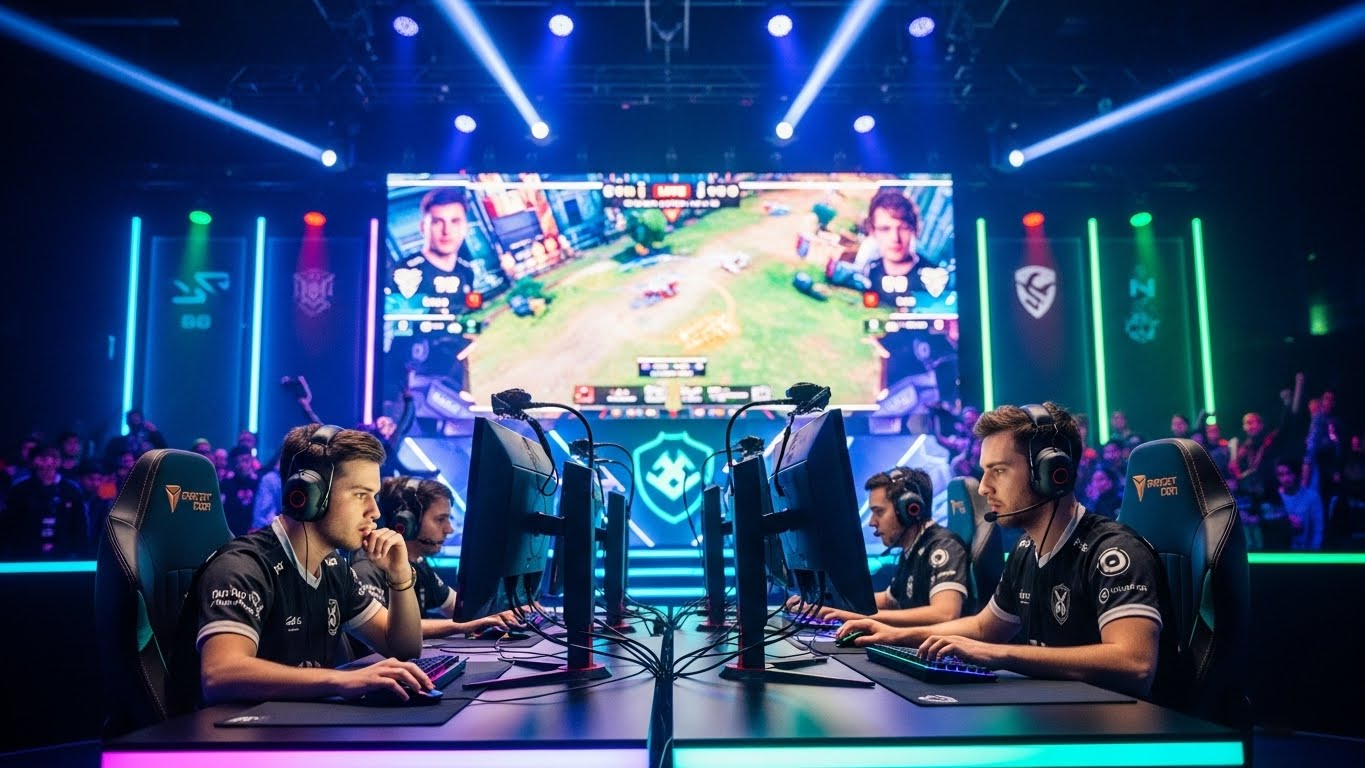
One of the reasons esports has exploded in popularity is its value as entertainment. Fans are drawn to the excitement of close matches, the personalities of top players, and ongoing storylines of rivalries and championships. Live events combine competition with high-quality production, commentary, visual effects, and audience engagement, creating an immersive experience.
Online platforms allow fans to participate in real-time, through chat, predictions, and discussions. This interactive aspect strengthens community bonds and makes viewers feel part of the experience. The combination of competition, drama, and community has fueled esports’ global fanbase.
Economic Impact and Career Opportunities
Esports has developed into a significant economic sector. Revenue comes from sponsorships, advertising, merchandise, ticket sales, and media rights. Teams and organizations operate like businesses, managing branding, partnerships, and long-term growth. Major tournaments offer substantial prize pools, attracting talent from around the world.
Beyond playing, esports creates numerous career opportunities. Coaching, event management, production, marketing, journalism, and software development are all part of the industry. Universities and educational programs now offer degrees in esports management and game design. This ecosystem shows that esports is more than a hobby; it is a sustainable and diverse career field.
Cultural Influence and Global Reach
Esports transcends national and cultural boundaries. Players and fans from different countries compete daily, sharing a common language of gameplay. International tournaments highlight unique strategies influenced by culture and playstyle, enriching the global esports community.
Esports also shapes youth culture. From fashion to online behavior, music, and social trends, competitive gaming influences many aspects of modern life. Esports players have become role models, demonstrating dedication, resilience, and creativity. The mainstream acceptance of esports has elevated gaming from a pastime to a recognized cultural phenomenon.
Challenges Facing the Industry
Despite its growth, esports faces challenges. Player burnout is a significant concern, with long hours and high expectations affecting physical and mental health. Organizations are increasingly implementing wellness programs to support player longevity.
Maintaining competitive integrity is another challenge. Cheating, match-fixing, and unfair practices threaten the credibility of esports. Strong governance, rules, and oversight are essential for sustaining trust. Additionally, the industry continues to work on inclusivity, ensuring opportunities and safe environments for players from diverse backgrounds.
Technology’s Role in Esports Growth
Technology is central to esports. High-performance hardware, software updates, and network infrastructure ensure smooth gameplay and competitive fairness. Broadcasting innovations, including high-definition streams and detailed analytics, enhance viewer experiences.
Emerging technologies like virtual reality and artificial intelligence promise to reshape esports further. AI-driven training tools help players identify weaknesses and improve faster. As technology evolves, esports will continue to innovate, creating new formats and experiences for both players and spectators.
Esports and Traditional Sports: Convergence and Collaboration
Esports and traditional sports are increasingly intersecting rather than competing. Many sports organizations have invested in esports teams, recognizing shared values like competition, community, and entertainment. Traditional athletes are participating in esports, while digital players adopt training methods inspired by conventional sports.
This convergence points to a future where physical and digital competition coexist. Both forms of competition can learn from each other, blending tradition and innovation to engage broader audiences and create new cultural experiences.
The Future of Esports
The future of esports looks promising. Improved infrastructure, greater acceptance, and professional standards will expand audiences and opportunities. Grassroots and amateur leagues will continue feeding talent into professional circuits, while regulation and standardization bring stability.
Esports will also evolve creatively, with new games, competitive formats, and technologies driving engagement. At its core, esports is about human ambition: the desire to compete, improve, and connect through shared passion. This enduring element ensures its relevance for years to come.
Conclusion: Beyond the Screen
Esports is more than competitive gaming; it reflects the intersection of technology, culture, and human ambition. It challenges traditional definitions of sport and entertainment, demonstrating that skill, strategy, and teamwork matter as much as physical ability. With its global reach, professional infrastructure, and cultural influence, esports has become a defining phenomenon of the digital age. Its story is still unfolding, and its impact will resonate for generations, proving that true competition transcends screens.