
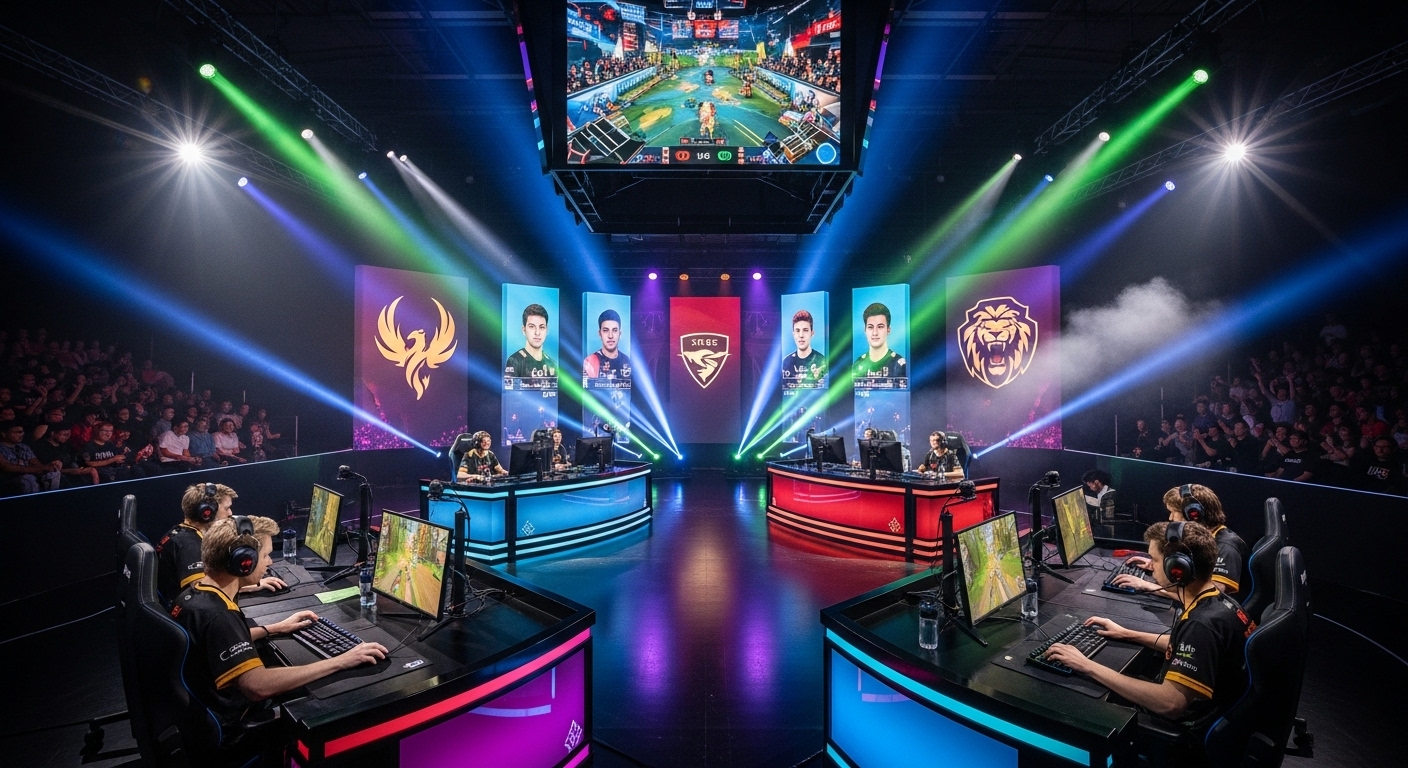
The world of competitive gaming, once seen as a niche pastime, has exploded into a global phenomenon. eSports, or electronic sports, is no longer just a game – it’s a cultural movement that spans continents, unites millions of fans, and has created new career paths for gamers, streamers, and organizers alike. From high-octane battles in League of Legends to strategic gameplay in Dota 2, eSports is rewriting the playbook on what it means to be an athlete in the 21st century.
What is eSports?
eSports refers to organized multiplayer video game competitions, particularly between professional players, individually or as teams. Unlike casual gaming, eSports is characterized by a high level of skill, strategy, and organization. Major eSports games include League of Legends, Dota 2, Counter-Strike: Global Offensive, and Overwatch. These games have evolved from simple pastimes to competitive sports, with global leagues, sponsorships, and millions of viewers tuning in for tournaments every year.
What separates eSports from traditional gaming is its scale and the professionalization of the sport. Players practice for hours daily, participate in international tournaments, and build a following on streaming platforms like Twitch and YouTube Gaming. It’s a unique blend of entertainment, competition, and digital culture.
The Rise of eSports
The rapid rise of eSports can be traced back to several key factors: technological advancements, the growth of internet infrastructure, and the rise of online streaming. As the internet became faster and more reliable, it enabled players to compete on a global scale without the need for physical presence. This laid the groundwork for online tournaments, which could be watched by anyone, anywhere.
Streaming platforms like Twitch revolutionized the way people consumed gaming content. Gamers could watch professional players and tournaments in real-time, creating a live, interactive experience that built a passionate global fanbase. Over the years, eSports has moved from online communities to mainstream platforms, with major tournaments being broadcast on networks like ESPN and ABC.
But what really catapulted eSports into the spotlight were its massive tournaments. The prize pools for these events have skyrocketed, with The International (a Dota 2 competition) offering over $40 million in prizes in some years. Events like The League of Legends World Championship and Overwatch League draw millions of viewers worldwide, cementing eSports as a legitimate competitive industry.
The Appeal of eSports: Why It’s So Popular
eSports appeals to a broad audience, from casual gamers to hardcore fans, and there are several reasons for its widespread popularity.
1. The Thrill of Competition
At the core of eSports is competition. Just like traditional sports, fans love the excitement of watching their favorite players or teams battle for supremacy. The high level of skill and strategy required to succeed in games like League of Legends or Counter-Strike creates an electric atmosphere during live matches. Fans are drawn to the unpredictability, the drama, and the emotional highs and lows of watching top-tier players compete.
2. Accessibility and Global Reach
One of the biggest draws of eSports is its accessibility. Unlike traditional sports, which often require expensive tickets, travel, and physical venues, eSports can be watched online from anywhere in the world. Streaming services like Twitch and YouTube have democratized access to top-tier gaming content, allowing fans from all corners of the globe to tune in, cheer, and interact in real time.
eSports events are also incredibly diverse, offering games from different genres to cater to various interests. Whether you enjoy fast-paced shooters like Call of Duty or strategic MOBAs like Dota 2, there’s something for everyone. This diversity ensures a wide fanbase and a growing global appeal.
3. The Rise of Personalities and Stars
eSports has created a new breed of celebrity. Professional players have garnered massive followings due to their skill, personalities, and the communities they’ve built. Players like Faker (League of Legends), s1mple (Counter-Strike: Global Offensive), and Ninja (Fortnite) are household names in the gaming world and beyond. Their popularity isn’t just about gameplay – it’s about their stories, their struggles, and their relationships with fans.
In addition to professional players, commentators and streamers have become stars in their own right. These individuals bring their personalities and expertise to the eSports scene, offering play-by-play analysis, interviews, and commentary. This human element adds an emotional layer to eSports broadcasts, making them more relatable and engaging.
The Professional Side of eSports
As eSports has evolved, so too have the opportunities for those who want to turn it into a career. The industry has grown beyond just players to include coaches, analysts, broadcasters, and event organizers, all contributing to the overall ecosystem.
1. Professional Players and Teams
Top eSports players dedicate their lives to perfecting their craft. They train for hours each day, playing, practicing, and analyzing strategies to maintain their competitive edge. This commitment is similar to traditional athletes, where the difference between winning and losing often comes down to preparation, mental toughness, and teamwork.
Teams like Cloud9, Fnatic, and Team Liquid are some of the most successful eSports organizations, supporting their players with coaches, analysts, and managers. These teams sign sponsorships, stream content, and compete in tournaments around the world, creating a multi-faceted business model that goes beyond just playing games.
2. Tournaments and Leagues
Major eSports tournaments and leagues have become key drivers of the industry’s growth. The structure of eSports competitions is similar to that of traditional sports leagues. Teams compete in regular seasons, earn points, and qualify for playoff tournaments that culminate in grand finals. Examples include the League of Legends World Championship, the Overwatch League, and the Intel Extreme Masters.
These events are broadcast globally, drawing millions of viewers both online and in-person. The largest tournaments fill arenas, with thousands of fans watching in real-time and millions more tuning in via livestreams. This level of organization and scale has transformed eSports into a legitimate form of entertainment.
3. Broadcasting and Commentating
Just like traditional sports, eSports has its commentators and analysts who provide color commentary, match analysis, and interviews. These individuals help make the matches more accessible to viewers, explaining the strategies, techniques, and intricacies of the games in real-time. Broadcasters like Twitch and YouTube have become central hubs for eSports content, while networks like ESPN and Turner Sports have even picked up eSports broadcasts for mainstream audiences.
The Business Side of eSports
As eSports continues to grow, it has become a major business sector with significant investments from major corporations. Companies like Coca-Cola, Intel, Nike, and Red Bull have all entered the eSports arena, signing sponsorship deals and supporting events and players. These partnerships not only bring funding into the industry but also help eSports gain visibility in mainstream media.
In addition to sponsorships, eSports generates revenue from ticket sales, merchandise, advertising, and media rights. The sheer size and scale of eSports events have made them attractive to advertisers, who see them as a way to connect with young, tech-savvy audiences. This business model has enabled eSports organizations to thrive and attract investors, contributing to the professionalization of the sport.
The Future of eSports
The future of eSports is incredibly bright, with its growth showing no signs of slowing down. Here are some trends that are likely to shape the future of the industry:
1. Mainstream Acceptance
eSports has already gained significant mainstream attention, but as it continues to grow, we may see eSports featured more prominently on traditional sports networks, or even included in global sporting events like the Olympics. The International Olympic Committee (IOC) has already expressed interest in exploring the potential of eSports, which could pave the way for wider acceptance of competitive gaming.
2. Virtual Reality (VR) and Augmented Reality (AR)
The integration of VR and AR technologies into eSports could completely change how we experience gaming tournaments. Imagine being able to step inside a Dota 2 match, viewing the action from the perspective of a player, or having virtual reality broadcasts that allow fans to interact with the game world. These technologies have the potential to revolutionize how fans engage with eSports content.
3. Increased Accessibility
As internet infrastructure improves around the world, eSports will become even more accessible to audiences in developing countries. This global reach will help expand eSports’ fanbase, creating new markets and opportunities for growth.
4. More Diverse Games and Formats
While current eSports games like League of Legends and Fortnite dominate the scene, new game genres and formats will emerge. More casual games with competitive potential may rise to prominence, offering diverse experiences for different types of players and audiences.
Conclusion: eSports as the Future of Competitive Entertainment
The eSports industry has come a long way, transforming from a hobby into a multi-billion-dollar entertainment empire. With its thrilling competitions, professional players, and global fanbase, eSports is a force to be reckoned with in the world of entertainment. It has established itself not only as a competitive sport but also as a dynamic, cultural movement that is influencing gaming, broadcasting, and digital media.
As technology continues to evolve, so too will the eSports industry, and the future looks bright for both players and fans alike. Whether you’re a gamer, a spectator, or an investor, there’s no doubt that eSports