
Introduction
Esports has rapidly become one of the most exciting and influential industries in the world. What started as small gaming contests among friends has now grown into a global spectacle, watched by millions and supported by major brands. In today’s digital era, esports is not only changing the way people play games but also how they view sports and entertainment.
The Growth of Esports
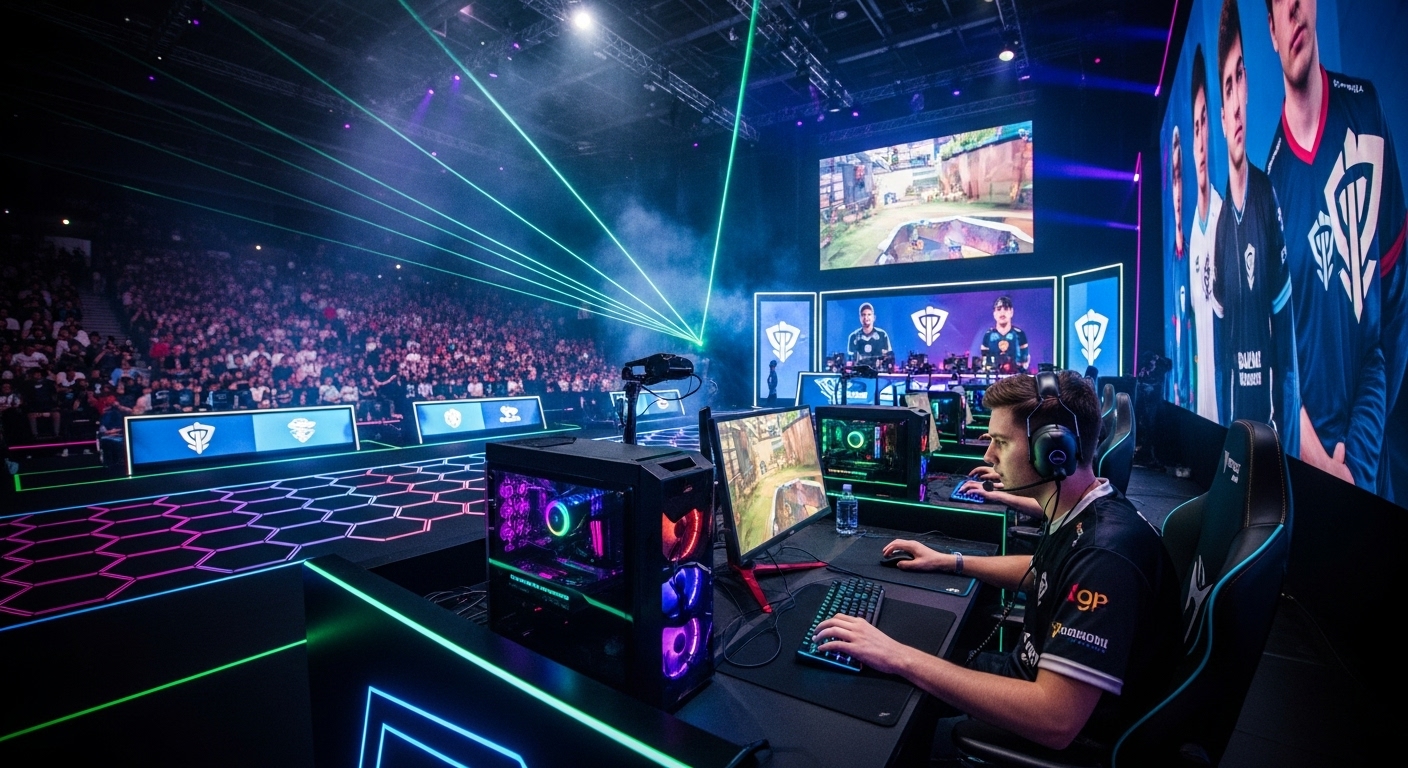
Over the past decade, esports has experienced extraordinary growth. Competitive gaming has moved from basement tournaments to grand international stages filled with cheering fans. Games like Valorant, Dota 2, and League of Legends have become household names. With streaming platforms and global broadcasts, esports has achieved the same level of popularity once reserved for traditional sports such as football or basketball.
The Professional Gamer’s Journey
Behind every great esports player is a story of dedication and hard work. Professional gamers spend countless hours training, analyzing strategies, and improving teamwork. They follow strict schedules similar to athletes in physical sports. Mental strength, quick decision-making, and hand-eye coordination are key to their success. These players are not just gamers; they are modern athletes competing in a highly demanding environment.
The Global Community of Esports
One of the most remarkable aspects of esports is its global community. Players and fans from different countries and cultures come together through a shared passion for gaming. Major tournaments draw millions of viewers online and in person, proving that esports can unite people beyond language and geography. This international appeal has made esports one of the most inclusive forms of entertainment in the world.
The Business Side of Esports
Esports has evolved into a thriving business industry. Sponsorships, advertising, merchandise, and media rights contribute billions to its yearly revenue. Brands see esports as a powerful way to connect with younger audiences who spend more time online than watching traditional sports. Teams and organizations now operate like professional franchises, employing managers, coaches, and analysts to maintain peak performance and strong fan engagement.
Technology Driving the Industry
The advancement of technology has been the foundation of esports growth. High-speed internet, advanced gaming hardware, and streaming services have made professional gaming accessible to everyone. Innovations like virtual reality and artificial intelligence are shaping the next generation of gaming experiences. As technology continues to improve, esports will only become more immersive and interactive.
Esports and Education
Esports has also entered the world of education. Many schools and universities now offer esports scholarships and academic programs related to gaming, event management, and digital marketing. These programs help students build valuable skills such as leadership, teamwork, communication, and strategic thinking. Esports is proving that gaming can be both fun and educational.
The Future of Esports
The future of esports looks brighter than ever. With global recognition, increasing investments, and new technologies, the industry is expected to grow even further. Esports might soon become part of major international sporting events, giving it the same status as traditional sports. As more people embrace gaming, esports will continue to redefine competition in the digital age.
Conclusion
Esports represents the perfect blend of technology, skill, and passion. It has created new careers, built global communities, and inspired millions of fans. More than just a form of entertainment, esports is a symbol of how far human creativity and innovation can go. As the digital world continues to expand, esports stands as a powerful example of what the future of sports truly looks like.