
Introduction: From Casual Play to Professional Arenas
Once dismissed as mere pastimes, video games have evolved into one of the most powerful entertainment industries in the world. At the heart of this evolution stands Esports—a dynamic form of competition where skilled gamers face off in virtual arenas for fame, fortune, and glory. Esports, short for “electronic sports,” refers to organized, multiplayer video game competitions, often between professional players, individually or as teams.
What began as small-scale tournaments among local gaming enthusiasts has become a global spectacle. Today, Esports fills stadiums, attracts millions of online viewers, and has built a thriving ecosystem of teams, sponsors, commentators, analysts, and fans. It is not just about gaming anymore; it is a blend of sportsmanship, entertainment, and technology—a modern phenomenon that bridges cultures and generations.
The Origin of Esports: Humble Beginnings
The roots of Esports stretch back to the 1970s, when gaming was still in its infancy. The first recognized video game competition took place in 1972 at Stanford University, where students competed in a game called “Spacewar.” The prize? A year’s subscription to a magazine—a far cry from the multimillion-dollar prize pools of today.
During the 1980s, arcade gaming and home consoles began to grow in popularity. Games like Pac-Man, Donkey Kong, and Tetris sparked competitive excitement. The 1990s marked a turning point with the rise of multiplayer PC games and the internet, allowing players from around the world to challenge each other in real time. Titles like Doom, Quake, and StarCraft paved the way for organized online competitions and the first professional gamers.
By the 2000s, Esports began to mature. Major tournaments, sponsored by tech companies, started offering cash prizes. The launch of streaming platforms later in the decade, particularly platforms allowing gamers to broadcast live gameplay, propelled Esports into mainstream recognition. Suddenly, anyone could watch global competitions from their living room, transforming Esports into an accessible and communal experience.
The Rise of Professional Gaming: A New Career Path
Gone are the days when gaming was dismissed as a waste of time. Today, professional gaming has become a legitimate career path for many. Professional players, known as “pro gamers,” dedicate countless hours to perfecting their skills, much like traditional athletes. They practice strategies, study opponents, and maintain rigorous training schedules to stay competitive.
Esports athletes can earn a living through multiple income streams—tournament winnings, brand sponsorships, streaming revenue, and merchandising. In top leagues, salaries can rival those of athletes in conventional sports. Teams such as Team Liquid, Fnatic, and Cloud9 are not just groups of players—they are brands with management teams, coaches, nutritionists, and public relations departments.
However, professional gaming is not all glamour. The pressure to perform at the highest level, long training hours, and the constant demand to stay relevant can take a toll on mental and physical health. Many organizations are now investing in wellness programs and performance management to ensure players maintain balance and longevity in their careers.
The Games that Define Esports
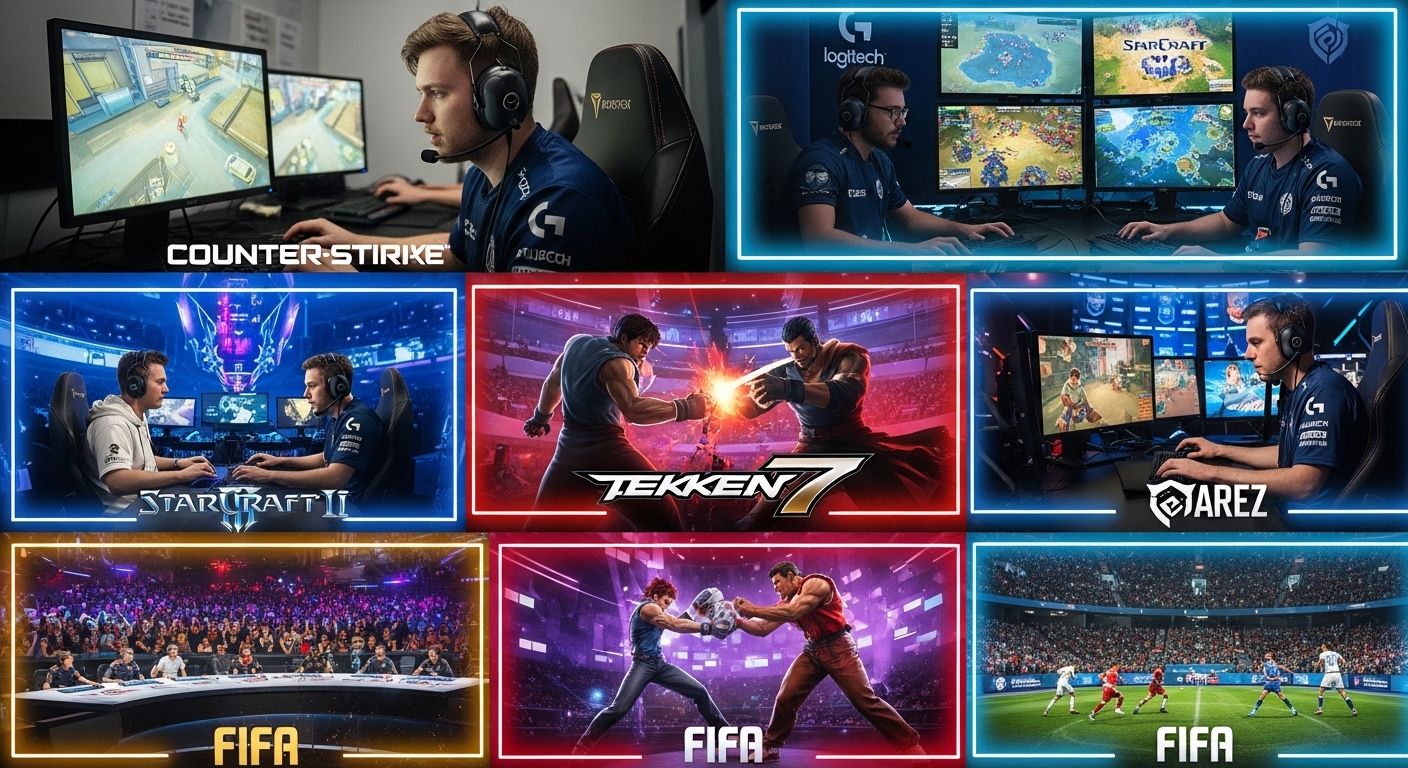
Esports is not confined to one genre or style of gameplay. The diversity of games is one of the main reasons for its universal appeal. From strategy to shooters, from sports simulations to fighting games, Esports offers something for everyone.
1. Multiplayer Online Battle Arena (MOBA) games like League of Legends and Dota 2 are among the most popular. These games require team coordination, strategy, and precision. Dota 2’s annual championship, The International, has offered some of the largest prize pools in Esports history.
2. First-Person Shooters (FPS) such as Counter-Strike: Global Offensive, Valorant, and Overwatch bring fast-paced action and tactical depth. Players must master reflexes, communication, and map awareness to succeed.
3. Battle Royale titles like Fortnite and PUBG introduced massive-scale competition, where hundreds of players fight to be the last one standing. These games appeal to both casual players and competitive professionals.
4. Sports Simulations like FIFA and NBA 2K attract fans of real-world sports who enjoy virtual competition mirroring their favorite games.
5. Fighting Games such as Street Fighter, Tekken, and Super Smash Bros. continue to thrive, especially in grassroots tournaments and global competitions like EVO.
Each genre has its own fanbase, gameplay style, and competitive ecosystem. This diversity ensures Esports remains dynamic, continually attracting new audiences.
The Infrastructure Behind Esports: Leagues, Sponsors, and Venues
Esports has evolved far beyond casual online matches. Today, it operates with a professional structure similar to traditional sports. Major leagues and tournaments are organized globally, complete with regulations, referees, and broadcast teams.
Professional organizations manage player contracts, training facilities, and sponsorship deals. Global tournaments like the League of Legends World Championship, The International (Dota 2), and Overwatch League Finals attract millions of viewers, filling entire stadiums and generating record-breaking online audiences.
Sponsorship plays a critical role in sustaining the industry. Brands ranging from gaming hardware companies to mainstream consumer goods have entered the Esports market. Their investments help fund events, provide players with resources, and promote Esports as a legitimate and profitable industry.
Physical Esports arenas are also becoming more common. Venues dedicated to gaming competitions are being built worldwide, equipped with high-speed internet, immersive lighting, and massive LED screens to deliver an unforgettable fan experience.
Streaming Platforms and the Esports Explosion
The rise of streaming platforms revolutionized how audiences consume Esports content. Live broadcasting has made competitive gaming accessible to anyone with an internet connection. Viewers can watch tournaments in real time, follow their favorite players, and engage in chat communities.
Streaming also democratized the industry. Anyone can stream their gameplay, build an audience, and even transition into professional gaming. Personalities known as “streamers” have become celebrities, blending entertainment with skill. Some players earn more from streaming than from competitive play itself.
In addition, streaming provides valuable exposure for up-and-coming players. Many professional organizations scout new talent through online leaderboards and content platforms, giving skilled gamers from any corner of the world a chance to shine.
Esports as a Spectator Sport
One of the most fascinating aspects of Esports is how it turned video gaming into a spectator sport. While it might seem unconventional at first, the thrill of watching a well-executed play or a dramatic comeback can be just as exhilarating as watching a football or basketball game.
Commentators, known as “casters,” play a major role in enhancing the viewing experience. Their real-time analysis and energetic commentary turn complex strategies into compelling narratives. Fans follow storylines of rivalry, redemption, and teamwork—just like in traditional sports.
Esports events are broadcast in multiple languages and often include entertainment performances, interviews, and cinematic production value. The combination of technology, competition, and storytelling keeps audiences engaged and invested in their favorite teams and players.
Esports and Education: A New Frontier
Interestingly, Esports is also making its way into education. Universities and colleges across the world now offer Esports scholarships and degree programs in game management, production, and digital media. High schools have begun forming Esports clubs, treating gaming as a valuable extracurricular activity that fosters teamwork, strategy, and leadership.
This integration is changing how society perceives gaming. Instead of discouraging young people from playing video games, educators are recognizing the academic and career potential within the Esports ecosystem. Students learn not only gaming skills but also content creation, event organization, and marketing—skills that are increasingly relevant in the digital economy.
The Economics of Esports: A Billion-Dollar Industry
Esports is no longer a niche market—it is a booming global industry worth billions of dollars. Revenue streams come from multiple sources, including sponsorships, advertising, media rights, merchandise, and ticket sales.
Prize pools for major tournaments can reach tens of millions, and the number of global viewers continues to climb each year. As traditional media outlets and investors take notice, Esports is being compared to major sports leagues in terms of audience size and engagement.
Esports organizations are also developing long-term sustainability models, including franchised leagues, exclusive content, and global brand partnerships. This economic growth has opened doors for career opportunities beyond gaming itself—such as event production, data analytics, and marketing.
Esports and Technology: Innovation at the Core
Technology is the backbone of Esports. Advances in gaming hardware, high-speed internet, and streaming platforms have enabled its rapid growth. Gaming peripherals—keyboards, mice, monitors, and headsets—are designed with professional play in mind, providing precision and reliability.
Furthermore, virtual reality and augmented reality are opening new frontiers in competitive gaming. Cloud gaming, powered by robust servers, allows players to compete from anywhere without the need for high-end computers. Artificial intelligence is being used for analytics, player training, and even anti-cheating systems.
These innovations not only enhance gameplay but also improve the viewer experience, making Esports one of the most technologically advanced entertainment industries.
The Social Impact of Esports
Beyond competition and entertainment, Esports has had a significant cultural and social impact. It brings together people from different countries, backgrounds, and languages, united by a shared passion for gaming. Online communities foster friendships and collaboration across borders, proving that digital platforms can promote inclusivity and connection.
Esports also challenges stereotypes. It has shown that skill, creativity, and teamwork matter more than physical strength or gender. Many women and non-binary players are making their mark in the industry, advocating for diversity and representation.
Additionally, Esports has played a role in charitable causes. Events often raise funds for global issues such as disaster relief, education, and health research, demonstrating that gaming can be a force for good.
Challenges Facing Esports
Despite its success, Esports faces several challenges that must be addressed for sustainable growth. Player burnout, mental health issues, and lack of standardized regulations remain major concerns. The industry is also grappling with problems like cheating, match-fixing, and inconsistent tournament organization.
Moreover, as Esports expands, ensuring fair compensation and labor rights for players is crucial. Younger players entering the scene may be vulnerable to exploitation without proper contracts and legal protections.
There is also ongoing debate about Esports’ recognition as an official sport. While many countries acknowledge its legitimacy, others still struggle to categorize it, especially when it comes to visa regulations, taxation, and governance.
The Future of Esports: A Digital Legacy
The future of Esports looks brighter than ever. With continuous technological innovation and growing public acceptance, the industry is poised for even greater heights. Virtual and augmented reality may soon redefine how audiences experience competitions, and AI-driven analytics will enhance both player performance and viewer engagement.
Esports is also likely to become a fixture in mainstream media, with television networks and streaming services investing heavily in broadcasting rights. The integration of Esports into educational systems will produce a new generation of skilled professionals who view gaming as both an art and a career.
In time, Esports may stand shoulder to shoulder with traditional sports in global influence and prestige. What began as a hobby has become a movement—a digital revolution shaping how the world perceives competition, entertainment, and community.
Conclusion: The New Age of Competitive Play
Esports represents the fusion of technology, creativity, and human skill. It has transformed gaming into a legitimate form of competition, entertainment, and cultural expression. Millions of fans tune in daily to watch their favorite players, learn strategies, and celebrate victories.
This evolution is more than just a trend—it is a reflection of how society is changing in the digital age. As virtual and physical worlds continue to blend, Esports stands as a testament to what can be achieved when passion meets innovation.
From university classrooms to global arenas, from streaming screens to million-dollar stages, Esports has proven that the spirit of competition knows no boundaries. It is not just the future of gaming; it is the future of sports itself.