
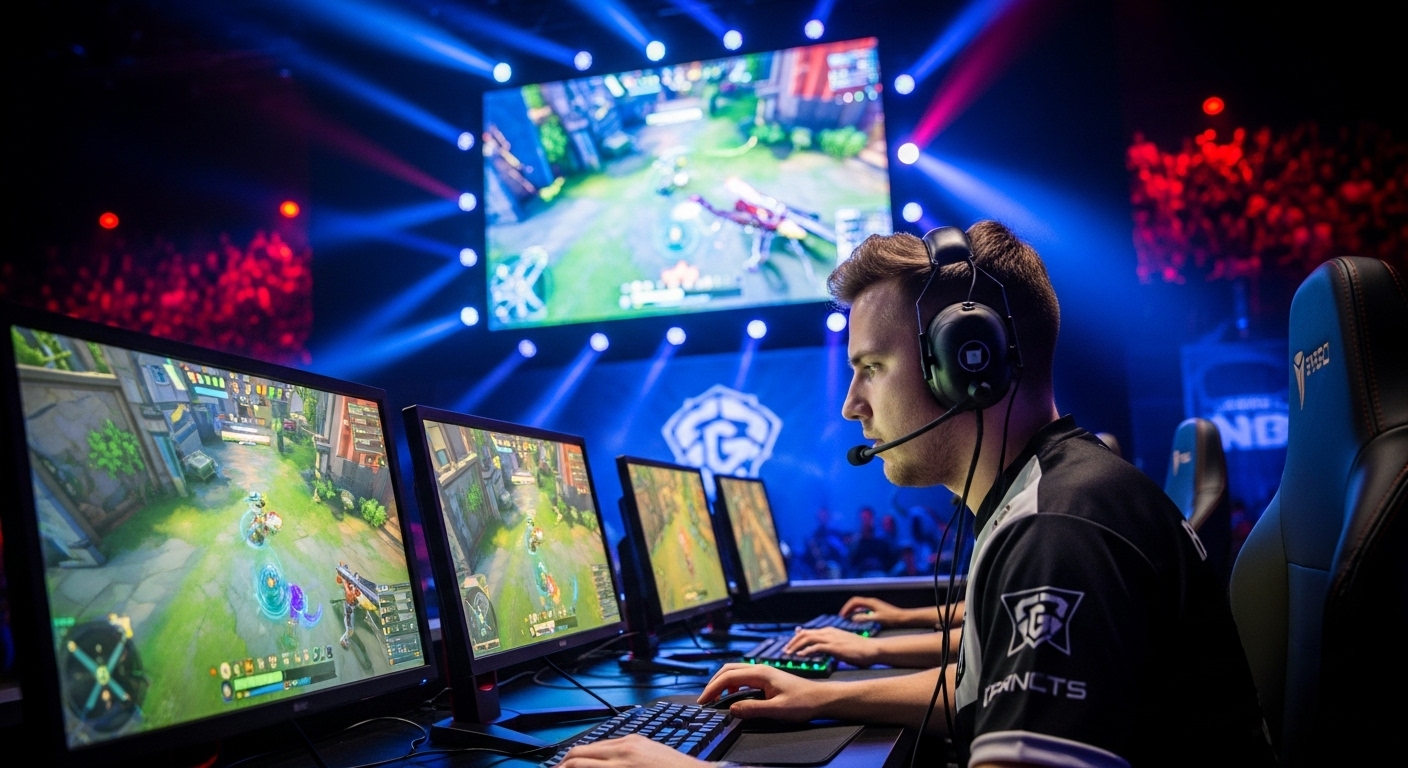
Introduction: The Rise of Esports
Esports, short for electronic sports, has grown from a niche hobby into a worldwide industry. What started as casual video game competitions in arcades and local gaming centers has now transformed into professional leagues, international tournaments, and a global community of fans and players. Esports combines skill, strategy, teamwork, and entertainment, making it a unique form of modern competition.
The History of Esports
The origins of esports trace back to the late 20th century. Early games like Street Fighter, StarCraft, and Counter-Strike sparked competitive tournaments that drew small but passionate audiences. With the rise of online gaming and streaming technology, competitions expanded internationally. Today, major tournaments in games like League of Legends, Dota 2, and Fortnite attract millions of viewers and offer prize pools worth millions of dollars.
Building a Community
A key factor in esports’ success is its community. Fans engage deeply with the games, players, and teams they follow. Streaming platforms allow real-time interaction, while forums and social media create spaces for discussion and strategy sharing. This strong sense of community fosters loyalty, drives viewership, and turns casual gamers into active participants in the esports ecosystem.
Esports as a Career
Professional esports requires dedication similar to traditional sports. Players spend hours training daily, analyzing gameplay, and refining strategies. Beyond players, careers in coaching, commentary, event management, and game analysis are expanding rapidly. Successful esports professionals can earn through tournament winnings, sponsorships, and streaming revenue, making it a viable and lucrative career option.
Global Influence of Esports
Esports has become a worldwide phenomenon. Countries like South Korea, China, and the United States are major hubs, hosting tournaments with massive audiences. Schools and universities have recognized esports as a competitive activity, offering programs and scholarships to aspiring players. The global reach of esports also influences entertainment, fashion, and social trends, showing its impact beyond the gaming world.
Challenges and Considerations
Despite its growth, esports faces challenges. Player burnout, mental health issues, and online toxicity remain concerns. Additionally, fair regulations and contract management are still developing, leading to occasional disputes. Addressing these issues is critical for sustainable growth and long-term success of the industry.
The Future of Esports
The future of esports is bright, with new technologies like virtual reality, augmented reality, and AI shaping the competitive landscape. As esports continues to gain mainstream recognition, the line between traditional sports and competitive gaming will blur even further. The industry is poised to continue expanding, offering opportunities for players, fans, and professionals worldwide.
Conclusion: Beyond the Screen
Esports is more than just video games; it is a reflection of talent, community, and dedication in the digital age. From small local competitions to massive international events, esports has proven that gaming can be both a passion and a profession. As technology and culture continue to evolve, esports will remain a defining part of modern entertainment.