
Introduction
Esports, short for electronic sports, has evolved from a niche activity for hardcore gamers into a global entertainment powerhouse. What was once seen as a hobby has become a professional industry with millions of viewers, professional players, and lucrative sponsorship deals. The rise of esports has not only changed how people engage with video games but also how we perceive competition, media, and entertainment. As esports continues to grow at a rapid pace, it is reshaping the future of digital entertainment and creating new opportunities for players, fans, and businesses alike.
In this blog post, we will explore the rise of esports, the factors behind its meteoric growth, the key players and teams driving the industry, and the challenges that lie ahead for this thriving sector. Whether you are a seasoned esports fan or just starting to explore the world of competitive gaming, this article will give you an in-depth understanding of why esports is the future of entertainment.
The Rise of Esports: A Brief History
The origins of esports date back to the early days of video gaming, where informal competitions and friendly matches between players took place. However, it wasn’t until the late 1990s and early 2000s that competitive gaming began to gain serious traction. The first recognized esports tournament, the Red Annihilation competition for the game Quake, was held in 1997 and offered a Ferrari as the grand prize. This event highlighted the potential for organized, competitive gaming, though it remained relatively small-scale at the time.
In the years that followed, games like StarCraft and Warcraft III took the competitive gaming world by storm, particularly in South Korea, where professional leagues and broadcasted tournaments were established. These leagues laid the foundation for modern esports, turning professional gaming into a cultural phenomenon. South Korea became the epicenter of competitive gaming, with a robust esports infrastructure and a thriving professional scene.
The global expansion of esports truly took off in the 2010s with the rise of streaming platforms like Twitch and YouTube. These platforms allowed gamers to live-stream their gameplay, providing fans with direct access to their favorite players and teams. The ability to watch professional gamers in real-time, combined with the growing popularity of games like League of Legends, Dota 2, and Counter-Strike: Global Offensive, catapulted esports into the mainstream. Today, esports is a multi-billion-dollar industry with a massive global following.
Esports as a Profession: The Life of a Competitive Gamer
One of the most remarkable aspects of esports is its transformation into a legitimate career option. In the early days of esports, professional gaming was seen as a hobby, with players often working other jobs to support their passion. However, today’s top esports athletes are full-time professionals who make their living through sponsorships, tournament winnings, streaming, and brand partnerships.
Professional players spend hours each day training, practicing, and perfecting their skills to stay competitive in their respective games. Many players start their careers in their teens, dedicating themselves to gaming with the goal of securing a spot on a professional team. These players are often highly skilled in their chosen games, possessing remarkable reflexes, strategic thinking, and an in-depth understanding of game mechanics.
Esports teams, much like traditional sports teams, consist of players, coaches, analysts, and other staff members who work together to strategize, analyze gameplay, and improve performance. Leading esports organizations like Cloud9, Team Liquid, and T1 recruit top talent to compete in the most prestigious tournaments. These teams are not only focused on gameplay but also on building a brand, creating content, and connecting with fans through social media and streaming platforms.
Professional gamers are often sponsored by major companies, including tech giants, beverage brands, and apparel companies. These sponsorships provide financial support, access to top-tier equipment, and marketing opportunities. The rise of esports has created new opportunities for gamers to turn their passion into a full-time career, making it one of the most sought-after professions for young people today.
Esports and the Global Audience: Reaching Millions
One of the most fascinating aspects of esports is its ability to reach a global audience. Unlike traditional sports, which may be limited by geographical and cultural boundaries, esports has a truly global fanbase. Whether you’re in North America, Europe, Asia, or South America, anyone with an internet connection can watch and engage with esports events. The rise of online streaming platforms like Twitch, YouTube Gaming, and Facebook Gaming has played a pivotal role in this global expansion.
In 2021, the total global esports audience surpassed 450 million people, with projections estimating this number will grow to over 600 million by 2024. This growth can be attributed to the increasing accessibility of gaming and streaming platforms, as well as the global popularity of esports titles like League of Legends, Dota 2, and Fortnite. These games have massive player bases and attract millions of viewers who tune in to watch tournaments, follow professional players, and engage with the community.
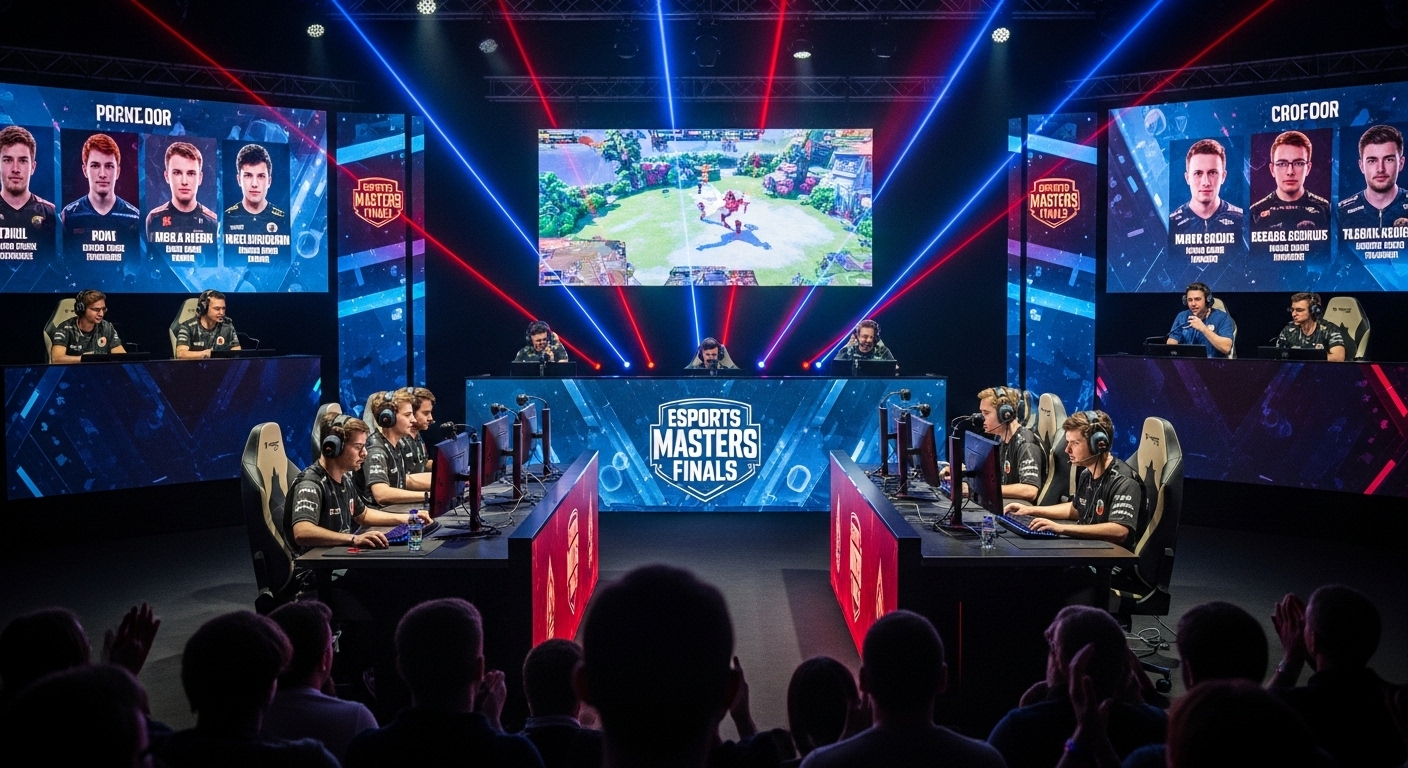
Esports tournaments themselves are held in massive arenas, with events like The International and League of Legends Worlds regularly selling out venues that can hold tens of thousands of fans. However, the majority of esports viewership takes place online, with millions more watching from home or on mobile devices. The ability to watch live streams of tournaments, interact with fans in real-time, and follow players through social media has made esports more accessible and engaging than ever before.
Esports’ ability to connect players, fans, and viewers from all over the world has turned it into a global cultural phenomenon. Whether it’s cheering for your favorite team or engaging in online discussions about strategies and gameplay, the sense of community in esports is unlike anything seen in traditional sports. The inclusivity of esports allows people from different cultures and backgrounds to come together, united by their shared love for gaming.
The Economic Impact of Esports
The financial impact of esports cannot be overstated. In 2020, the global esports industry was valued at over $1 billion, and this figure is expected to continue growing in the coming years. Sponsorships, media rights, advertising, and merchandising are some of the primary revenue streams driving the industry. Major companies like Intel, Red Bull, Coca-Cola, and Nike have invested heavily in esports, recognizing its potential to reach a young, tech-savvy audience.
Esports tournaments have increasingly larger prize pools, with events like The International offering over $40 million in prizes for the winning team. This growth in prize money reflects the rising financial stakes in the industry, as well as the growing professionalization of esports. The prize money, along with sponsorships, streaming revenue, and ticket sales, has helped establish esports as a billion-dollar industry that generates significant economic value worldwide.
Furthermore, esports has spurred job creation in several areas, including event management, broadcasting, marketing, and game development. The rise of professional teams and esports organizations has created full-time jobs for players, coaches, analysts, content creators, and administrative staff. Companies that manufacture gaming equipment, such as peripherals and hardware, also benefit from the growth of esports, with esports players often becoming ambassadors for specific brands.
The economic impact of esports also extends to local economies. Major tournaments often take place in large cities, attracting thousands of fans who travel to attend events. This influx of visitors boosts local businesses, from hotels and restaurants to transportation and retail. The ability of esports to generate economic activity on both a local and global scale is one of the key factors contributing to its rapid growth.
Challenges Facing Esports
Despite its incredible growth, esports faces several challenges that could impact its long-term success. One of the most significant concerns is the physical and mental well-being of players. Competitive gaming requires hours of practice and intense concentration, which can lead to physical ailments such as carpal tunnel syndrome, back pain, and eye strain. Moreover, the pressure to perform in high-stakes tournaments can take a toll on players’ mental health, leading to stress, anxiety, and burnout.
Esports organizations are increasingly recognizing the need for player welfare and are implementing support systems, including coaching, mental health resources, and more balanced training schedules. However, this remains a critical issue that needs ongoing attention from both teams and industry leaders.
Another challenge is the lack of regulation and standardization across the esports industry. While traditional sports have established governing bodies, esports remains a fragmented industry with different rules and structures across various games and leagues. This lack of oversight can lead to inconsistencies in gameplay, team operations, and tournament organization. As esports continues to grow, there will be a need for a more unified regulatory framework to ensure fair play, protect players’ interests, and maintain the integrity of the sport.
The Future of Esports: Where is it Headed?
The future of esports is incredibly exciting, with numerous technological innovations on the horizon. Virtual reality (VR) and augmented reality (AR) are set to revolutionize how fans experience esports. With VR headsets, viewers could immerse themselves in the action and feel like they are actually in the esports arena, watching matches from a first-person perspective.
The rise of mobile gaming is also a significant factor in the future of esports. Games like PUBG Mobile and Mobile Legends have already become staples in the esports landscape, and as smartphone technology continues to improve, mobile esports is poised to become even more influential. Mobile gaming allows for greater accessibility, particularly in regions where traditional PC or console gaming may not be as widespread.
Esports is also likely to become more integrated with other forms of entertainment, such as streaming platforms, online communities, and social media. Esports tournaments will continue to evolve, becoming more interactive and engaging for fans. With the increasing involvement of traditional media outlets and broadcasters, we can expect esports to become even more mainstream, rivaling traditional sports in terms of viewership and cultural impact.