
Introduction
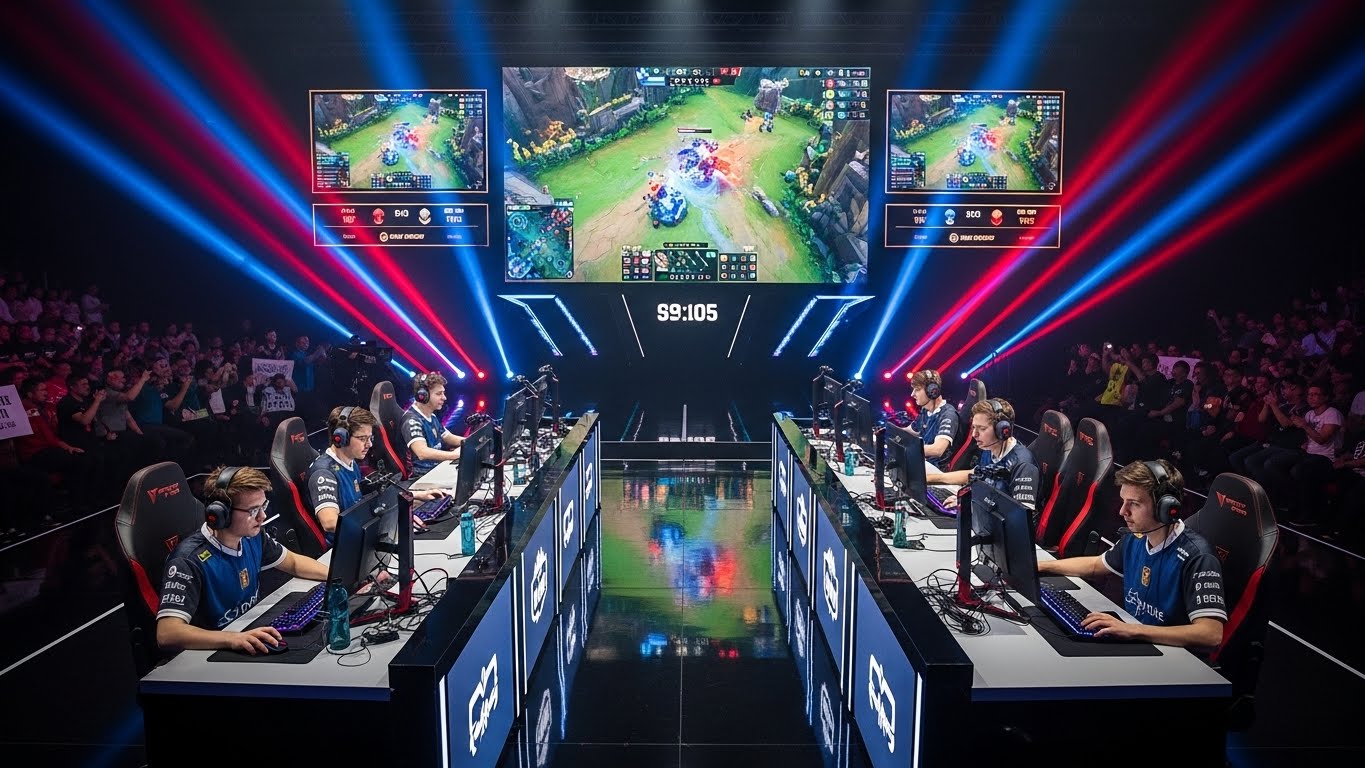
Esports, once considered a niche hobby reserved for dedicated gamers, has evolved into one of the fastest growing entertainment sectors of the twenty first century. What started as small gatherings of players competing in arcades or college dorms has transformed into a massive global industry with professional leagues, million dollar tournaments, and stadiums filled with cheering fans. The world of esports is not simply about video games; it is about community, competition, strategy, innovation, and the reshaping of modern entertainment. In this blog, we will explore how esports rose to prominence, why it captivates millions, and what its future may look like as technology and culture continue to evolve.
The Origins of Competitive Gaming
To understand the explosive rise of esports, it is important to start with its early roots. Competitive gaming began long before the word esports was ever invented. In the early nineteen eighties, arcade competitions centered around classic games like Space Invaders and Pac Man drew large crowds and enthusiastic players. These events were relatively simple, but they established the foundation for organized gaming competitions.
As personal computers and home consoles became more accessible in the late nineteen eighties and nineteen nineties, gaming communities grew rapidly. Titles such as Street Fighter, Doom, and StarCraft paved the way for structured tournaments. Local gaming shops and early internet forums helped create a network of competitive players. Slowly but surely, organized competitive gaming started shifting from small gatherings to larger, more structured events.
The Birth of Modern Esports
The real turning point for esports came with the rise of fast internet connections and online multiplayer games in the late nineteen nineties and early two thousands. Games like Counter Strike, Warcraft, and League of Legends offered players the ability to compete globally. For the first time, skill based online gaming communities expanded beyond local play, making international competition both possible and appealing.
Professional teams formed, sponsors became involved, and tournaments began offering cash prizes. Live streaming platforms later amplified the growth even further, allowing millions of viewers to watch competitive matches from anywhere in the world. What once required physical attendance could now be experienced digitally, and this accessibility was one of the major catalysts that propelled esports into mainstream awareness.
Why Esports Captivates Millions
Esports is not simply about watching someone play a video game. It is about the drama, the storylines, the teamwork, the strategy, and the talent behind every move. Here are some of the main reasons esports has become so popular.
High Level Skill and Strategy
Top esports players train for hours every day, mastering game mechanics, communicating with teammates, and developing advanced strategies. The precision, reflexes, and decision making required at professional levels rival those of traditional athletes. Many fans are drawn to the incredible display of skill that is difficult for casual players to achieve.
The Thrill of Competition
Just like traditional sports, esports competitions are filled with excitement and unpredictability. Upsets, comebacks, rivalries, and championship runs create emotional investment for viewers. Fans passionately support their favorite teams and players, forming communities similar to those found in football, basketball, or cricket fandoms.
Accessibility and Diversity
Anyone with a computer or console can participate in gaming. This universal accessibility has helped esports become more inclusive than many traditional sports. There are no barriers related to height, strength, or physical limitations. Talent is measured by skill and knowledge, making esports attractive to a wide range of people around the world.
A Global Digital Community
Esports communities thrive online. Fans can watch streams, join discussions, participate in amateur tournaments, or follow their favorite players across various platforms. This digital interconnectedness creates a sense of belonging and shared identity among fans who may be separated by thousands of miles.
The Business Behind Esports
Esports is no longer just entertainment; it is a business juggernaut. The industry includes professional teams, marketing agencies, gaming organizations, event production companies, and manufacturers of gaming equipment. Sponsors from major industries invest heavily because esports offers valuable exposure to a young and engaged audience.
Revenue flows from several key sources including sponsorships, merchandise sales, tournament prize pools, advertising, streaming income, and brand collaborations. Professional players earn salaries along with prize money, and top stars build personal brands that attract millions of followers across platforms. The career opportunities within the industry extend far beyond playing, offering roles such as coaching, event hosting, broadcasting, content creation, and game analysis.
The Role of Technology in Esports Growth
Technology is the backbone of the esports ecosystem. High speed internet, advanced gaming hardware, and streaming innovations have all contributed to the rise of competitive gaming. Modern games are designed with esports in mind, offering balanced gameplay, spectator modes, and tools that enhance viewer experience.
Virtual reality, artificial intelligence, and cloud gaming are expected to further transform the esports landscape. VR could introduce new competitive formats, AI could improve player training by analyzing performance, and cloud gaming could make high quality games accessible without expensive hardware. These technologies will continue to shape the future of esports in exciting ways.
The Educational and Social Impact of Esports
Esports is increasingly recognized for its positive educational and social benefits. Many schools and universities now offer esports programs, clubs, and even scholarships. Students learn teamwork, discipline, communication, problem solving, and time management while participating in gaming competitions.
Esports also fosters social interaction. For many young people, gaming communities provide a supportive environment where they can make friends, share interests, and develop confidence. Contrary to the stereotype of gaming as an isolating activity, esports often encourages collaboration and teamwork.
The Challenges Facing the Esports Industry
Despite its incredible growth, esports faces several challenges. One of the biggest concerns is player health and well being. Professional players often practice for long hours, leading to stress, burnout, and physical issues such as eye strain or wrist injuries. Creating healthier training environments is a priority for many organizations.
Another challenge is the constant evolution of games. Unlike traditional sports, which have stable rules, esports titles can change dramatically with updates or new releases. This creates uncertainty for teams and leagues. Maintaining competitive balance and consistency is essential for long term industry stability.
Esports must also address issues such as fair play, match integrity, cyber security, and inclusivity. As the industry grows, proper regulation and governance will become increasingly important.
The Future of Esports
The future of esports is filled with potential. As audiences continue to expand, esports may become as mainstream as traditional sports. More countries are recognizing esports organizations and providing support through national federations. International tournaments could eventually rival the global popularity of major sporting events.
Advancements in technology will create new possibilities for competition and storytelling. Hybrid events that combine virtual and physical experiences may become more common. Cross platform tournaments, mixed reality broadcasts, and interactive fan engagement features will elevate the viewer experience.
Esports is also likely to influence other industries, including entertainment, education, and technology development. The skills learned through gaming could shape future careers in fields like engineering, design, and data analysis. Esports is more than just a game; it is a cultural movement that reflects the digital age.
Conclusion
Esports has grown from humble arcade beginnings to a powerful global industry that attracts millions of players, fans, and investors. It combines the excitement of competitive sports with the creativity of digital technology, offering a unique and evolving form of entertainment. Whether you are a seasoned gamer, a casual viewer, or someone curious about the future of digital culture, esports offers something for everyone. Its rise marks a significant shift in how we interact with technology, entertainment, and community. As the digital arena continues to grow, esports will remain at the forefront of innovation and global connection.