
Sports have been an integral part of human society for thousands of years. They are more than just games; they are a reflection of culture, a platform for personal growth, and a unifying force that brings people together. From ancient Olympic competitions to modern professional leagues, sports have evolved alongside humanity, shaping identities, building communities, and influencing the way we live.
In this blog, we will explore the history of sports, the different types of sports, their impact on individuals and society, the economic and cultural influence, and the future trends shaping this dynamic world.
The Evolution of Sports
The history of sports is a testament to humanity’s desire for competition, entertainment, and self-expression.
Ancient Beginnings
Sports can be traced back to ancient civilizations where physical contests were used for entertainment, religious ceremonies, and military training. The ancient Greeks formalized competitions with the Olympic Games, celebrating athleticism and human potential. Similarly, Roman gladiatorial games combined sport with spectacle, highlighting strength, strategy, and endurance.
Medieval and Renaissance Sports
During the medieval period, sports were often linked to training for warfare. Archery, jousting, and swordplay were common, while tournaments and festivals provided entertainment for communities. In the Renaissance era, organized sports began to develop, and rules were standardized for activities like fencing, horse racing, and early forms of football.
Modern Sports
The 19th and 20th centuries brought the standardization and professionalization of sports. Rules, scoring systems, and official organizations were established for football, cricket, basketball, and athletics. The creation of international competitions, including the modern Olympics in 1896, transformed sports into a global phenomenon. Today, sports are a multi-billion-dollar industry, combining competition, entertainment, and cultural influence.
The Importance of Sports in Society
Sports play a significant role beyond physical activity. They influence social development, education, health, and culture.
Building Character and Discipline
Participating in sports teaches discipline, perseverance, and dedication. Athletes learn to set goals, follow training routines, and push themselves to improve. These lessons often translate into personal and professional life, fostering resilience and strong work ethics.
Fostering Teamwork and Leadership
Team sports, in particular, teach collaboration, communication, and leadership. Players learn to trust teammates, share responsibilities, and coordinate strategies to achieve success. Leadership skills are developed on the field, empowering athletes to guide and motivate others.
Promoting Health and Fitness
Sports are essential for maintaining physical and mental health. Regular activity improves cardiovascular health, strengthens muscles, and enhances flexibility. Additionally, sports help reduce stress, improve focus, and boost mood, contributing to overall well-being.
Social and Cultural Integration
Sports unite people from diverse backgrounds, promoting understanding, tolerance, and community engagement. International events such as the FIFA World Cup or the Olympic Games foster cultural exchange and national pride, while local sports programs strengthen neighborhood bonds and create a sense of belonging.
Types of Sports
Sports can be broadly categorized into several types, each with unique benefits and appeal.
Team Sports
Team sports like football, basketball, volleyball, and hockey emphasize cooperation and strategy. They require coordination, communication, and trust, making them excellent tools for social development and community building. Fans are drawn to the excitement of teamwork, unpredictable outcomes, and collective effort.
Individual Sports
Individual sports such as tennis, athletics, swimming, and gymnastics focus on personal skill, determination, and resilience. These sports challenge athletes to rely on their abilities and strategies, promoting self-discipline and personal growth. Victories in individual sports are often deeply rewarding, reflecting years of hard work and dedication.
Adventure and Outdoor Sports
Adventure sports like rock climbing, surfing, skiing, and mountain biking combine physical skill with the thrill of risk and exploration. These sports connect athletes with nature, encourage problem-solving, and develop endurance. They are particularly popular among those seeking excitement and personal challenges.
Mind and Precision Sports
Sports such as chess, shooting, archery, and golf emphasize concentration, strategy, and precision. They develop mental focus, analytical thinking, and patience. Mind sports are increasingly recognized for their role in enhancing cognitive abilities and strategic thinking.
Sports and Economic Impact
Sports are a significant contributor to the global economy. The industry generates revenue through professional leagues, sponsorships, media rights, merchandise, and tourism.
Professional Leagues and Tournaments
Professional leagues attract massive audiences and investments. Events like the NBA, Premier League, and Wimbledon generate substantial income through ticket sales, broadcasting rights, and merchandising. Tournaments also create jobs, stimulate local economies, and boost tourism.
Sponsorship and Branding
Brands invest heavily in sports sponsorships to reach wide audiences. Athletes, teams, and leagues become powerful marketing platforms, influencing consumer behavior and building brand recognition. Sponsorship deals support athletes financially while promoting products and services globally.
Sports Technology
Technology enhances performance, training, and fan engagement. Innovations such as wearable fitness trackers, video analysis software, and virtual reality experiences revolutionize how athletes train and how fans experience sports. Technology ensures fairness, safety, and entertainment quality across all levels of competition.
Sports in Education
Sports play a crucial role in educational settings, promoting holistic development among students.
Physical Development
Sports programs improve strength, coordination, and stamina among students. Regular participation encourages lifelong fitness habits and reduces health risks associated with inactivity.
Cognitive and Social Skills
Participation in sports enhances problem-solving, decision-making, and teamwork. Students learn leadership, time management, and goal-setting, preparing them for challenges beyond the classroom.
Scholarships and Career Opportunities
Athletic talent can open doors to higher education opportunities and professional careers. Many institutions offer scholarships and specialized training for talented athletes, recognizing the value of sports in shaping capable, confident individuals.
Challenges in Sports
While sports offer numerous benefits, the industry faces challenges that must be addressed for sustainable growth.
Injuries and Health Risks
Athletes are prone to injuries ranging from minor strains to career-ending trauma. Preventive measures, proper training, and medical support are essential to ensure safety and longevity in sports.
Pressure and Mental Health
High expectations in professional and competitive sports can lead to stress, anxiety, and burnout. Mental health programs and counseling are becoming increasingly important to support athletes’ well-being.
Ethical Concerns
Issues such as doping, match-fixing, and corruption undermine the integrity of sports. Strict regulations, testing, and ethical education are necessary to maintain fairness and credibility.
Inequality and Accessibility
Not all communities have equal access to sports facilities and programs. Investment in grassroots initiatives, inclusive programs, and accessible infrastructure is crucial to ensure everyone can participate and benefit from sports.
The Cultural Impact of Sports
Sports influence society beyond competition, shaping identity, culture, and values.
National Pride and Unity
Major sporting events foster national pride and unity. Citizens come together to support their teams, creating shared experiences and strengthening collective identity.
Entertainment and Media Influence
Sports are a major source of entertainment. Media coverage, documentaries, and live broadcasts captivate audiences, creating heroes and inspiring stories that resonate with fans worldwide.
Role Models and Inspiration
Athletes serve as role models, inspiring dedication, discipline, and excellence. Their achievements motivate younger generations to pursue their goals and embrace a healthy, active lifestyle.
The Future of Sports
The sports industry continues to evolve with technological advancements, social changes, and global trends.
Integration of Technology
Virtual reality, augmented reality, artificial intelligence, and performance analytics will transform both training and fan experiences. Fans will have immersive viewing experiences, while athletes will benefit from data-driven performance improvements.
Growth of Women’s Sports
Women’s sports are gaining recognition and investment, promoting equality and providing opportunities for female athletes. The increasing visibility of women’s leagues and events inspires future generations and encourages participation across all levels.
Sustainability and Social Responsibility
Sports organizations are adopting sustainable practices, including eco-friendly stadiums, responsible event management, and community engagement initiatives. Sustainability ensures that sports continue to thrive without harming the environment.
Expansion of Alternative Sports
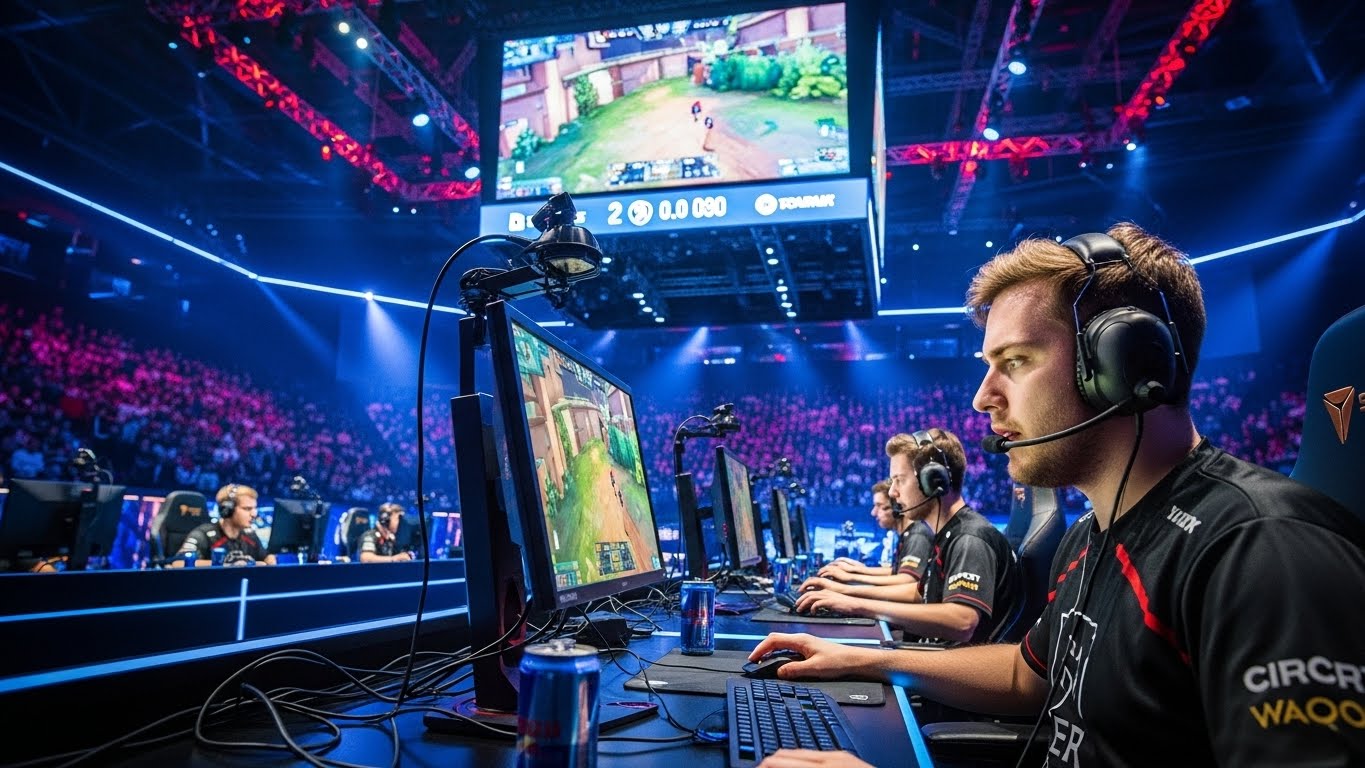
Emerging sports such as esports, extreme sports, and adaptive sports are expanding the definition of competition. These sports attract new audiences, challenge traditional norms, and create inclusive participation opportunities.
Conclusion
Sports are far more than games. They are a reflection of humanity, teaching discipline, teamwork, resilience, and leadership. They foster personal growth, unite communities, and inspire global audiences. Sports shape culture, drive economic growth, and create opportunities for millions of individuals worldwide.
As technology, society, and global connectivity continue to evolve, sports will adapt, innovate, and remain a vital part of human life. Whether on a local field, in a stadium, or through digital platforms, sports will continue to inspire, entertain, and unite people across generations and borders.
In essence, sports are not just about winning or losing; they are about the power to transform lives, build character, and strengthen the bonds that make us human.