
Introduction: The Evolution of Esports
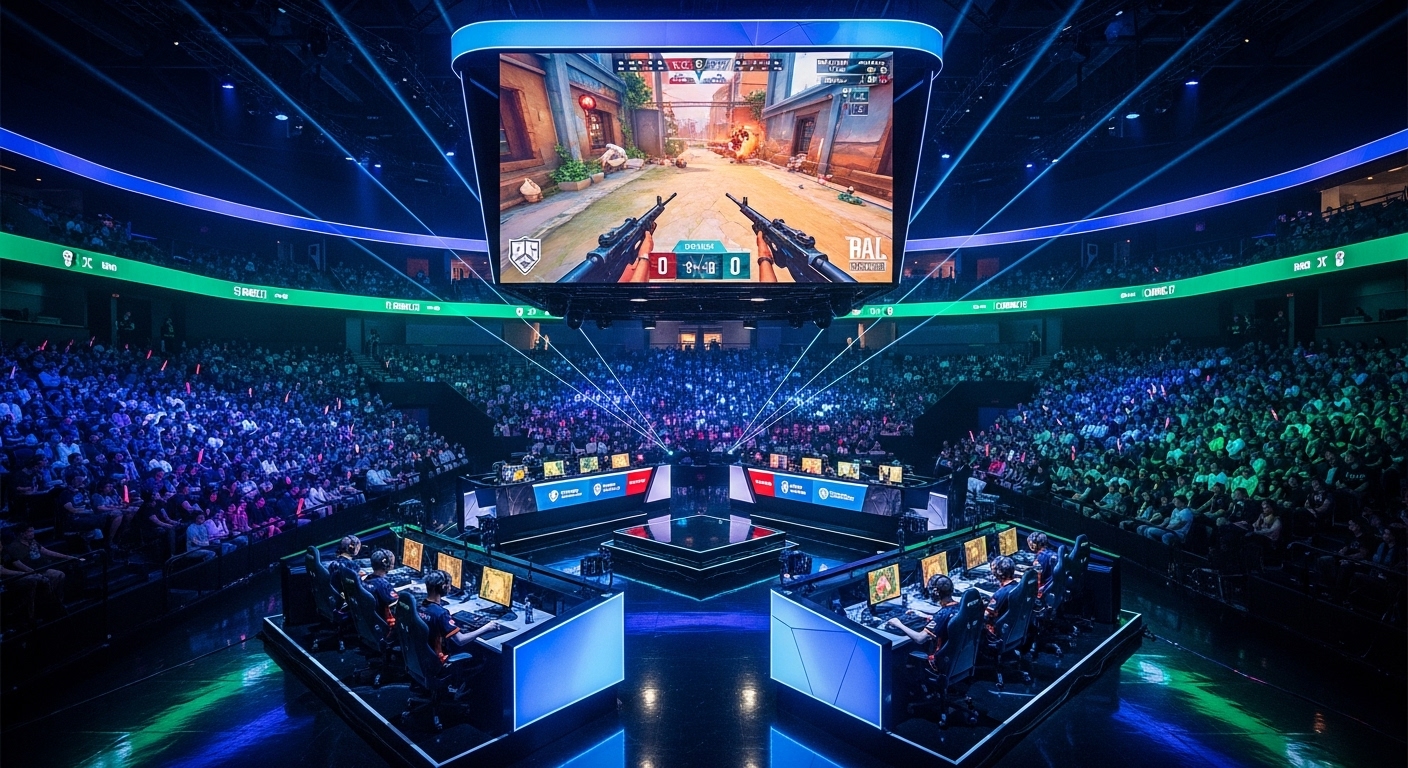
In recent years, the gaming industry has undergone a dramatic transformation, and at the heart of this revolution is the rise of esports. What was once seen as a niche hobby for a select group of gamers has now blossomed into a global phenomenon that commands massive audiences, attracts sponsorships, and offers lucrative career opportunities. Esports, or electronic sports, involves organized multiplayer video game competitions, particularly between professional players, individually or as teams. With millions of fans worldwide, esports is no longer just a digital pastime—it’s a major force in the world of entertainment and competition. In this blog, we’ll explore how esports has evolved, the impact it’s having on traditional sports, and why it’s here to stay.
The Early Days of Esports: From Arcade Competitions to Online Leagues
Esports didn’t appear out of nowhere. Its roots can be traced back to the early days of competitive gaming, where tournaments were held in local arcades and college campuses. The first notable event was the Space Invaders Championship in 1980, where players competed for high scores in the iconic arcade game. However, it wasn’t until the internet became widely available in the late 1990s that esports truly began to take shape.
The launch of games like StarCraft and Quake in the late ’90s and early 2000s sparked competitive gaming on a global scale. Platforms like Battle.net and GameSpy allowed players to compete online, laying the foundation for what would become a massive industry. Early esports events were often grassroots affairs, with players gathering in LAN (Local Area Network) tournaments, but the growing internet infrastructure soon allowed for large-scale online tournaments and leagues to emerge.
The Birth of Esports as a Global Industry
By the mid-2000s, esports had grown into a true competitive industry. Games like League of Legends, Dota 2, and Counter-Strike became staples in the esports community, and major tournaments like The International (Dota 2) and League of Legends World Championship began to capture the attention of millions of viewers. These events offered massive prize pools, with the most prominent tournaments offering prizes that rivaled those seen in traditional sports competitions.
The growth of streaming platforms, particularly Twitch, played a pivotal role in elevating esports to its current status. Twitch allowed players to broadcast their gameplay live, attracting millions of viewers who tuned in to watch their favorite players or teams. This provided a new avenue for players to build personal brands, creating a direct connection between gamers and their audience. Esports organizations and streaming platforms began to partner with major sponsors, creating a more professional ecosystem.
The Impact of Esports on Traditional Sports
At first glance, esports and traditional sports may seem worlds apart, but the two have increasingly found common ground. Esports is now recognized as a legitimate sport in its own right, and many traditional sports organizations are beginning to invest in competitive gaming. The NFL, NBA, and FIFA are among the many institutions that have launched their own esports leagues or collaborated with esports events to engage their fanbases.
Esports also shares many of the same elements as traditional sports, including teamwork, strategy, skill, and intense competition. The growth of esports has led to an increase in recognition for gaming as a professional career path, with players now earning salaries, sponsorship deals, and even endorsements similar to their counterparts in the world of traditional sports.
Moreover, traditional sports franchises have started to form their own esports teams, recognizing the potential to tap into a younger, tech-savvy audience. This symbiotic relationship has not only helped legitimize esports but also brought new energy and innovation into the realm of traditional sports.
The Esports Fanbase: A Global, Diverse Community
One of the most remarkable aspects of esports is its diverse and global fanbase. Unlike traditional sports, which often have strong regional followings, esports fans are not confined to any one country or continent. Popular esports titles, such as League of Legends, Overwatch, and Fortnite, have built massive international communities, with viewers and players coming from all corners of the globe.
The ease of access to esports content, largely through live streaming and social media, has helped cultivate a truly global following. Fans from different countries can watch, interact, and cheer for their favorite players and teams, making esports an inclusive, worldwide phenomenon. Events like the League of Legends World Championship and The International attract millions of viewers from countries ranging from North America to South Korea, China, Europe, and beyond.
The Economic Impact: Sponsorships, Salaries, and Streaming Revenue
As esports has grown, so too has its economic impact. The esports industry has transformed into a multi-billion-dollar business, with a variety of revenue streams fueling its rise. Sponsorships, merchandise sales, media rights, and streaming platforms contribute significantly to the revenue generated by esports events.
Sponsorship deals are a major source of income for esports organizations. Companies from a wide range of industries, including tech, energy drinks, and even luxury goods, have invested heavily in the esports scene. In particular, companies like Intel, Red Bull, and Mercedes-Benz have partnered with esports events and teams to increase brand visibility and tap into the gaming demographic.
Prize pools have also grown substantially. For instance, The International Dota 2 tournament has set world records for the largest prize pool in esports history, reaching over $40 million in 2021. As the industry matures, players can earn substantial salaries and endorsement deals, putting esports athletes on par with traditional sports stars in terms of financial success.
The Future of Esports: Growth, Challenges, and Opportunities
The future of esports looks bright, with continued growth and the potential for even greater mainstream recognition. As technology continues to advance, new gaming experiences—such as virtual reality (VR) and augmented reality (AR)—could revolutionize how esports are played and consumed. The immersive nature of VR could bring a whole new dimension to competitive gaming, attracting a new generation of players and viewers.
However, challenges remain. The mental and physical health of professional gamers has become a topic of discussion, as the intense hours of practice and competition can take a toll on players’ well-being. Addressing issues such as burnout, stress, and physical strain will be important as the industry evolves. Moreover, the global nature of esports requires a level of governance and regulation to ensure fair play and a level playing field for all participants.
Despite these challenges, esports is positioned to continue its upward trajectory. With growing viewership, increased professionalization, and continued support from major companies and sports organizations, competitive gaming is set to become an even more prominent part of the global entertainment landscape.
Conclusion: Esports as the Future of Entertainment and Competition
Esports has come a long way from its humble beginnings in arcade halls and college dorms. Today, it stands as one of the most exciting and rapidly growing industries in the world. With its unique blend of skill, strategy, and teamwork, esports offers a thrilling form of entertainment that captivates millions of fans worldwide.
As the boundaries between traditional sports and esports continue to blur, we are witnessing a new era of competition, where the digital world and physical world coexist. Whether you’re a seasoned gamer or someone just starting to explore the world of esports, it’s clear that competitive gaming is here to stay. The future of esports holds limitless potential, and we are only just beginning to scratch the surface of what this incredible industry can achieve.